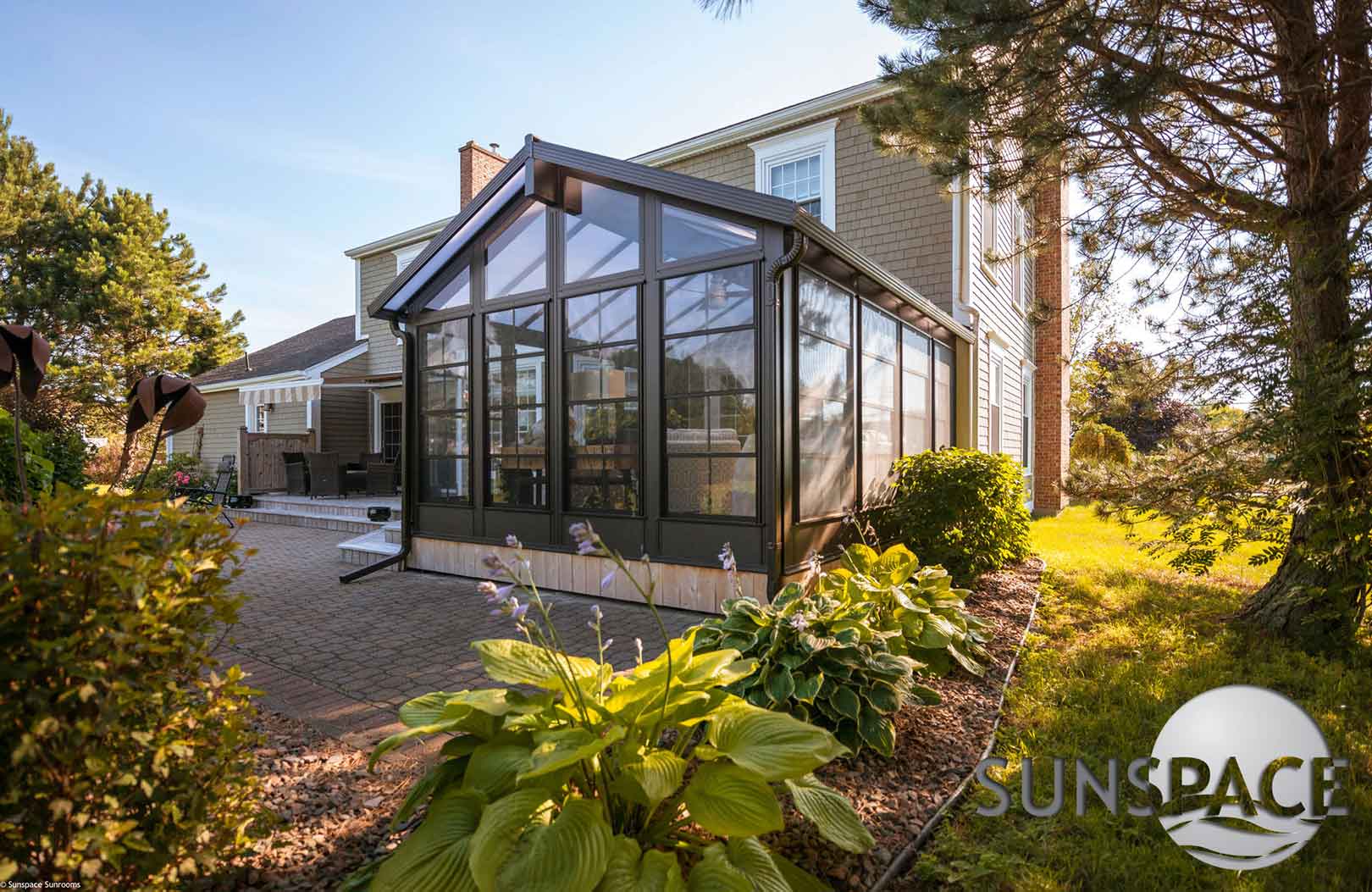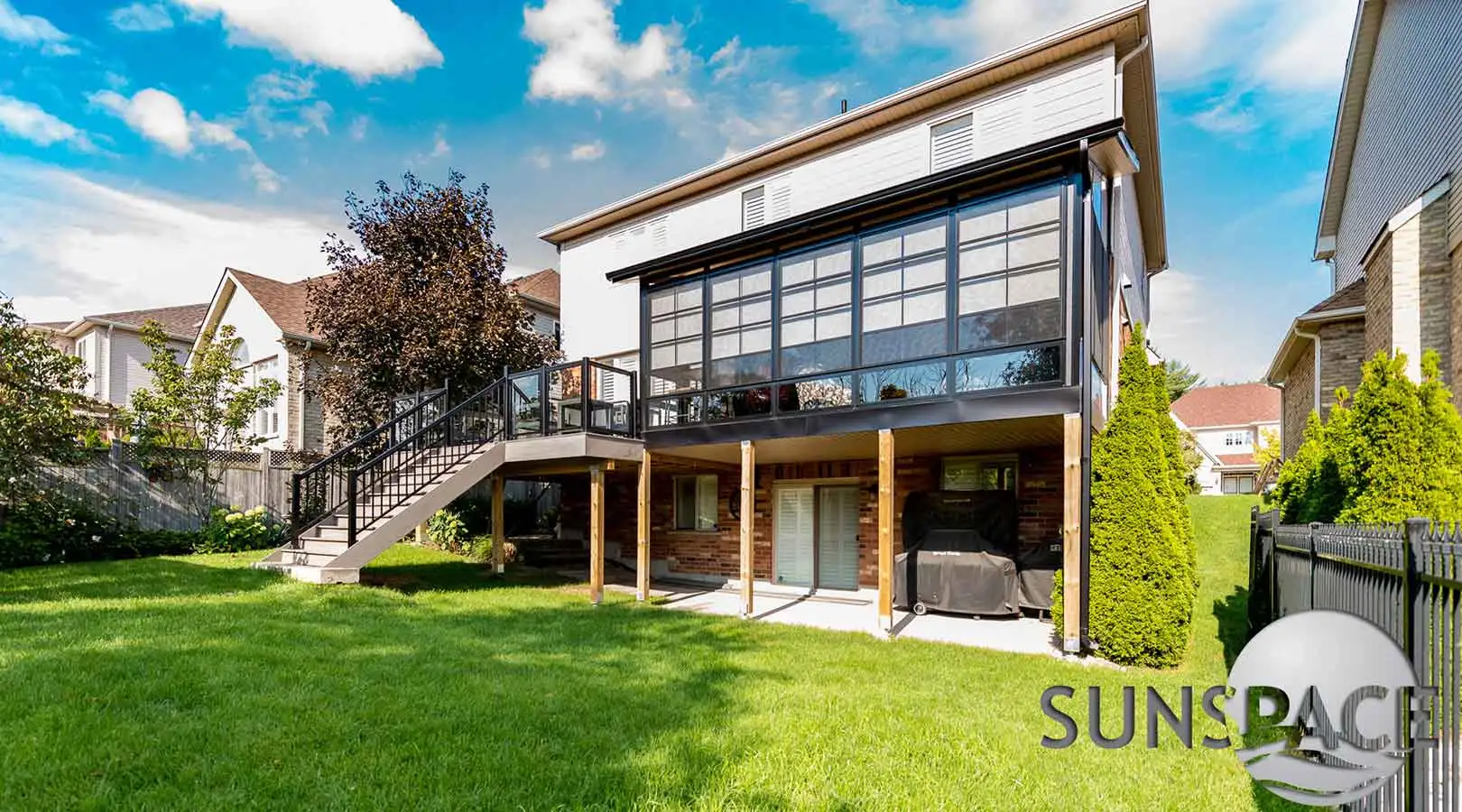

Adding a sunroom to your Connecticut home is one of the more rewarding upgrades you can make. More living space, more natural light, a comfortable place to enjoy the outdoors without fighting the weather. But before any of that happens, there’s a contractor standing between your idea and a finished room. Who you hire for that job matters more than most homeowners realize.
Connecticut has specific registration requirements for residential contractors, and a sunroom addition falls squarely within them. Skipping verification or choosing based on price alone can lead to unpermitted work, failed inspections, and legal complications that cost far more than the money you thought you were saving.
Want to talk through your sunroom project with an experienced team before getting quotes? Reach out to us for a no-pressure conversation before signing anything.
Homeowners looking for a sunroom builder in Connecticut often don’t realize how much state law shapes this hiring decision until something goes wrong. Here’s what you need to know.
What Connecticut Law Actually Requires
Connecticut does not issue a general contractor license at the state level. Instead, residential contractors are required to hold a Home Improvement Contractor (HIC) registration issued by the Connecticut Department of Consumer Protection. This applies to any permanent change to a residential property valued over $200, and a sunroom addition clearly qualifies.
To hold a valid HIC registration, a contractor must carry general liability insurance, pass a background check, and register with the DCP. Connecticut law does not set a statutory minimum GL amount for HIC holders specifically, but a contractor performing sunroom work should carry significantly more than a bare minimum; ask for a current certificate and confirm the coverage amount is appropriate for the scope of work. Specialty trade workers handling electrical, plumbing, or HVAC work on your sunroom must hold separate occupational licenses issued by the state.
This isn’t bureaucratic paperwork for its own sake. The registration system exists because Connecticut has given it real teeth. Under CGS Section 20-427(c), any violation of the Home Improvement Act is automatically considered a violation of the Connecticut Unfair Trade Practices Act (CUTPA), which opens the door to civil remedies including treble damages and attorney fees. Unregistered contractors cannot legally enforce a home improvement contract in Connecticut courts, meaning homeowners may not have to pay for completed work if the contractor wasn’t properly registered.
That last point matters in both directions. An unregistered contractor who does poor work has less legal standing to demand payment. But more practically, you want to avoid being in that situation entirely.
Sunrooms Require Permits in Connecticut
A sunroom is a permitted addition in every Connecticut municipality. Adding a screen enclosure or sunroom over an existing patio requires a building permit in Connecticut. If the structure is fully enclosed and heated, it’s typically classified as a conditioned room addition, which carries additional energy code requirements.
Connecticut’s cold winters mean true sunroom additions must meet the state’s energy code requirements, including insulated walls, high-performance glazing, and in many cases a heating system connection.
Permits aren’t just a formality. They trigger inspections at multiple stages of construction, which is how code compliance is verified. A certificate of occupancy or completion is issued only once the final inspection is passed and all documentation is submitted, officially verifying that the work complies with all applicable building codes and regulations.
A registered HIC contractor handles the permit application as a standard part of the project. An unregistered contractor often avoids permits entirely, which creates a different and more serious problem for you as the homeowner.
What Happens With Unpermitted Sunroom Work
Unpermitted additions create problems that compound over time. Here’s what Connecticut homeowners regularly face when work was done without proper permits:
- Failed home sale: When you sell, the buyer’s attorney or home inspector finds the unpermitted addition. You either pull permits retroactively, negotiate a price reduction, or lose the sale entirely.
- Retroactive permit costs: Getting unpermitted work permitted after the fact often requires opening walls for inspection, and in some cases demolishing and rebuilding sections that don’t meet code.
- Insurance complications: Homeowner’s insurance may not cover damage to an unpermitted addition, leaving you exposed on a structure you paid significant money to build.
- Property tax reassessment complications: Unpermitted square footage sits in a grey area that can create issues during tax assessments or estate proceedings.
None of these are theoretical. They happen to Connecticut homeowners regularly, and in every case the root cause is the same: the contractor who did the work didn’t pull the required permits.
How to Verify a Connecticut Sunroom Contractor’s Credentials
The verification process is straightforward and takes about five minutes. Don’t skip it.
Step 1: Check HIC registration
The Connecticut DCP maintains a public license lookup at the eLicense portal at elicense.ct.gov. Search the contractor’s name or business name to confirm their registration is current and in good standing.
Step 2: Confirm insurance
Ask for a current certificate of general liability insurance. While Connecticut law doesn’t set a statutory GL minimum for HIC holders, a contractor performing sunroom work should carry substantial coverage relative to the project value. If they have employees, confirm workers’ compensation coverage as well.
Step 3: Verify trade licenses for specialty work
If your sunroom requires electrical work, a separate licensed electrician must perform it. Ask the contractor specifically who handles electrical and HVAC work and confirm those subcontractors hold the appropriate state occupational licenses.
Step 4: Ask about permit handling
A legitimate contractor tells you clearly how they handle permits, which municipality you’re in, and what the typical approval timeline looks like. Vagueness on this question is a red flag.
Step 5: Get everything in writing
Connecticut’s Home Improvement Act requires written contracts for home improvement work. The contract must include the contractor’s registration number, a description of the work, total cost, payment schedule, and start and completion dates. A contractor who resists putting details in writing is not operating within the law.
The Specific Risks of Connecticut’s Climate
Connecticut homeowners face weather demands that make contractor quality even more consequential than in milder climates. Nor’easters, heavy snow loads, freeze-thaw cycles, and high winds put real structural stress on a sunroom addition. A poorly built or under-engineered structure will show those weaknesses within a few winters.
A licensed and registered Connecticut sunroom contractor will specifically:
- Specify footings at the correct frost depth for your municipality, typically 42 to 48 inches across most of Connecticut, to prevent heaving and foundation movement
- Select glazing and framing systems rated for the snow loads and wind speeds required by Connecticut’s building code
- Ensure proper drainage and flashing at the roof connection to your home, which is one of the most common failure points on sunroom additions in cold and wet climates
- Design for energy performance that keeps the space genuinely usable through Connecticut winters, not just during mild weather
These aren’t details that show up in a low bid. They’re what separates a sunroom that lasts 30 years from one that starts failing after three. A closer look at the qualities that define a trustworthy sunroom contractor in Connecticut covers the full vetting process beyond licensing alone.
Questions to Ask Before You Hire
Before committing to any sunroom contractor in Connecticut, get clear answers to these:
- Are you registered as a Home Improvement Contractor with the Connecticut Department of Consumer Protection? Can I see your registration number?
- Do you carry general liability insurance and workers’ compensation? Can I have a current certificate?
- Who handles the building permit application, and which town’s building department will we be working with?
- Do you use licensed subcontractors for electrical and HVAC work?
- Can you provide references from sunroom projects completed in Connecticut in the last two years?
- What glazing and framing system do you use, and how is it specified for Connecticut snow loads?
A contractor who answers these questions clearly, confidently, and with documentation is operating professionally. One who deflects, gets evasive, or suggests permits aren’t necessary is telling you something important.
What a Registered Builder Gives You That an Unregistered One Can’t
Beyond legal compliance, a properly registered and insured contractor gives you something practical: recourse. If the work is defective, your insurance relationship is intact, the permit trail is documented, and your legal position is clear.
Unregistered contractors cannot legally enforce home improvement contracts in Connecticut courts. That means they lose any right to collect unpaid balances if a dispute arises. That might sound useful when you’re frustrated with a contractor, but it also means the entire legal framework designed to protect you as a consumer doesn’t apply to the transaction. You’re on your own in a dispute with an unregistered contractor in ways you simply aren’t with a registered one.
The right outcome is a sunroom built the first time correctly, by a contractor who’s accountable under Connecticut law, backed by proper insurance, and permitted through your local building department. That’s not a luxury. It’s the baseline for a project of this size. If you want to understand what that process looks like from a homeowner’s perspective, the full guide to working with a sunroom builder in Connecticut walks through every stage.
Frequently Asked Questions
Does Connecticut require a license to build a sunroom?
Connecticut requires sunroom contractors to hold a Home Improvement Contractor (HIC) registration issued by the Department of Consumer Protection. This registration requires a background check and annual renewal. Specialty trades like electrical and HVAC require separate state occupational licenses in addition to the HIC registration.
Do I need a permit for a sunroom in Connecticut?
Yes. Every Connecticut municipality requires a building permit for a sunroom addition. Enclosed, conditioned sunrooms also require compliance with state energy codes, including insulated walls, qualified glazing, and in many cases a heating connection.
What happens if I hire an unregistered contractor in Connecticut?
Under Connecticut law, violations of the Home Improvement Act are automatically treated as violations of the Connecticut Unfair Trade Practices Act (CUTPA). Unregistered contractors cannot legally enforce home improvement contracts in court, and homeowners who suffer damages have access to civil remedies including treble damages and attorney fees.
How do I verify a contractor’s HIC registration in Connecticut?
Search the contractor’s name or business name at elicense.ct.gov, the Connecticut DCP’s public eLicense portal. This shows current registration status, registration number, and any disciplinary actions on record.
Why do footing depths matter for Connecticut sunrooms?
Connecticut’s frost line typically runs 42 to 48 inches deep depending on the municipality. Footings shallower than the local frost depth will heave during freeze-thaw cycles, causing structural movement, door and window misalignment, and long-term foundation damage. A registered contractor specifies footings to the correct local depth as standard practice.
Can an unlicensed contractor do sunroom work if I supervise them?
No. Connecticut law requires the HIC registration to be held by the contractor performing the work. The homeowner exemption applies only when the owner personally performs the work on their own single-family, owner-occupied primary residence. It does not extend to supervising or overseeing an unregistered third party.
Talk to a Team That Knows Connecticut Sunroom Construction
Every sunroom project is different, and the right design for your home depends on your lot, your existing structure, your town’s specific permit requirements, and how you plan to use the space. Contact us for a free consultation, and the team at Sunroom Designs New England will walk you through the process from permit application to final inspection, with straight answers at every step.