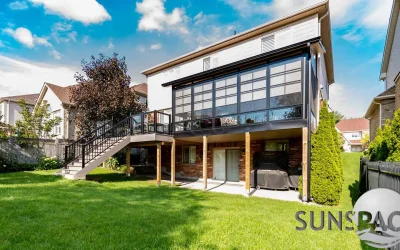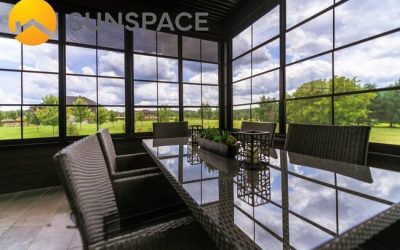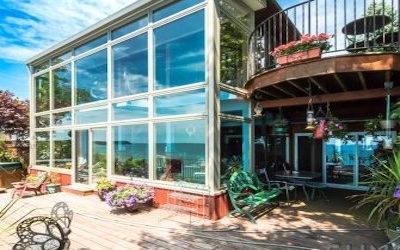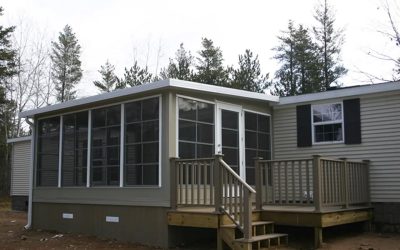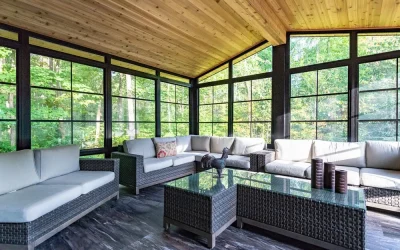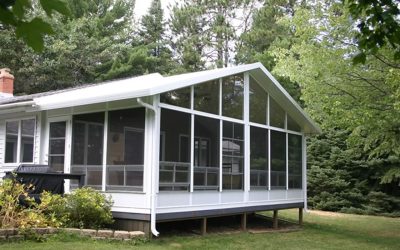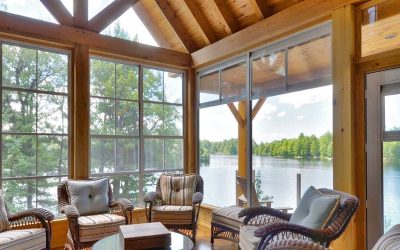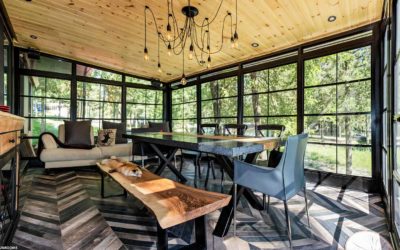
A sunroom can look perfect on paper, then feel too hot, too bright, or a bit chilly near the glass. The goal is to pick a short list of features that make the room comfortable and easy to use in real Connecticut weather.
In this guide, you’ll find how to choose Custom Sunroom Features that fit your layout, comfort goals, and daily routines.
It can also help to talk with a local sunroom construction contractor in Connecticut and compare how they handle glass specs, venting, and shading.
What Makes A Sunroom Feel Custom?
Custom isn’t about “extra.” It’s about fit.
Start by planning around common pain points:
- Heat and glare on sunny days.
- Cold edges near the glass in winter.
- Privacy when neighbors are close.
- Storage for shoes, cushions, pets, and kid stuff.
How Will The Room Be Used Most Days?
Lock in the main use before choosing finishes. It keeps the plan focused and prevents layout problems later.
Daily Use Setups
Common day-to-day uses:
- Home office or study corner.
- Reading and coffee space.
- Light workout area.
- Plant room for casual growing.
If screens will be used, glare control matters early. If plants are the goal, airflow and humidity control move up the list.
Entertaining Setups
Hosting works better with a clear flow.
Plan for:
- A clear path from the kitchen to the sunroom to the patio.
- Door placement that doesn’t block seating.
- Lighting that works after dark.
- Dining space that doesn’t pinch walkways.
Place the big furniture first. Then add features around it.
Which Glass Features Improve Comfort?
More glass looks great. Still, in Connecticut, glass choices often make or break comfort.
Window Ratings To Know
U factor is the rate at which a window, door, or skylight transmits non-solar heat flow, and lower numbers mean less heat transfer.
SHGC is the fraction of solar radiation admitted through a product, and lower numbers reduce solar heat gain.
These ratings are commonly shown on an NFRC label for windows, doors, and skylights.
Practical glass upgrades that often help:
- Double-pane insulated glass for year-round rooms.
- Warm edge spacers to reduce cold edge risk.
- Careful air sealing at the frame and trim.
Skylights And Roof Glass
Skylights add light fast. They can also add glare and extra summer heat.
Plan skylights as a bundle:
- Skylight plus a shade.
- Skylight plus ventilation if the room runs warm.
- Placement that avoids direct sun over seating.
How Can Shade And Privacy Be Built In?
Shades are not just décor in a sunroom. They’re part of comfort control.
Good options:
- Cellular shades for privacy and a warmer feel in winter.
- Solar shades for daytime glare control while keeping the view.
- Curtains for softer light and evening privacy.
If privacy is the main issue, frosted lower panels can help. Planting outside can help too.
Which Heating And Cooling Features Help Most?
Connecticut sunrooms can swing in temperature, even with good windows. So plan heating and cooling early.
Common comfort upgrades:
- Ductless mini split for dedicated control.
- Ceiling fan rough-in for better air mixing.
- Operable windows placed for cross-breeze.
- Dehumidification mode is used if summer humidity is a problem.
Also, plan airflow paths. Warm air stuck at the ceiling will still leave the floor feeling cool.
What Built-In Features Add Everyday Function?
Built-ins reduce clutter and make the room feel finished.
Useful add-ons:
- Low storage bench along a knee wall.
- Slim console for charging and laptop work.
- Small beverage station with safe outlets.
- Pet corner with a washable mat zone.
If a TV is planned, add blocking and power early. Plan a clean cable path during framing.
What Flooring And Finishes Handle Connecticut Life?
Expect wet shoes, road salt, and temperature swings. So choose stable, easy-care materials.
Common practical choices:
- Tile or luxury vinyl plank for durability.
- Area rugs for warmth and sound control.
- A doormat zone near doors.
Also, pick fabrics that can handle the sun. Some materials fade quickly in bright light.
Quick Feature Match Table
| Goal | Features That Help | Why It Works |
| Reduce summer overheating | Solar shades, lower SHGC glass, ventilation | Lower SHGC reduces solar heat gain. |
| Improve winter comfort | Lower U-factor glass, tight installs, air sealing | Lower U-factor reduces heat transfer. |
| Cut the condensation risk at the edges | Warm edge spacers, air mixing, and humidity control | Warmer surfaces plus lower indoor humidity help. |
| Make the room usable at night | Layered lighting, dimmers, task lights | Zones prevent “all overhead bright.” |
| Support office use | Glare control, outlets, quiet fan | Screens stay readable with glare control. |
What To Confirm Before Ordering Anything
Even strong plans miss small details. A short review can prevent expensive changes later.
Confirm:
- Window labels with U factor and SHGC values.
- Venting and moisture control plan.
- Electrical layout for work zones and lighting zones.
- Door swings, furniture spacing, and traffic flow.
Also, save a simple owner file with product labels and photos for future service.
FAQs About Custom Sunrooms In Connecticut
What are the most important custom sunroom features for comfort?
Glare control, window performance, and airflow usually matter most. Then add lighting and outlets based on the room’s main use.
Do custom sunrooms need specific window ratings?
If the room will be heated or cooled, ratings matter. U-factor and SHGC are key values and are commonly shown on NFRC labels.
What is the U factor, and why does it matter?
U-factor is the rate of non-solar heat flow through a window, door, or skylight. Lower values reduce heat transfer.
What is SHGC, and why does it matter?
SHGC is the fraction of solar radiation admitted through a product. Lower values reduce solar heat gain.
Are skylights a good idea in Connecticut sunrooms?
They can be, especially in deeper rooms. Plan for shades and ventilation so the room doesn’t run hot.
What features help with privacy when neighbors are close?
Solar shades, frosted lower panels, and outdoor planting are common fixes. Door placement also helps by controlling sightlines.
Get A Quick Feature Review
If you want a practical next step, contact Sunroom Designs New England for a quick consult. Share a few photos, rough dimensions, and how you want to use the room, and get clear feedback on which features are worth prioritizing.