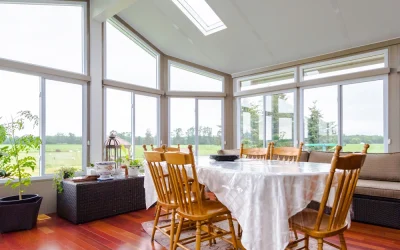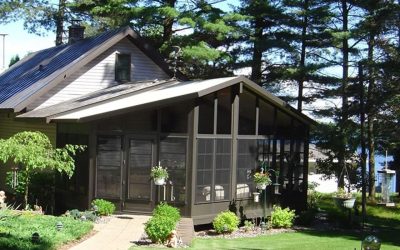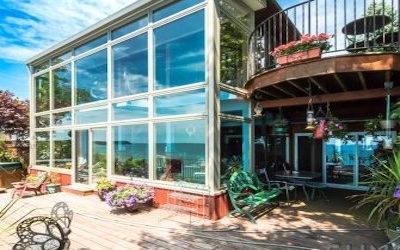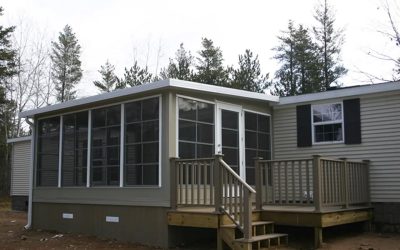
A sunroom foundation is the part that decides whether the room stays level, dry, and easy to use for years. In Connecticut, the right choice also helps prevent sticking doors, cracked finishes, and uneven floors after freeze-thaw seasons.
In this guide, you will find how to compare Sunroom Foundation Options and pick the best match for your yard and room type.
After the introduction, it may also help to compare notes with a trusted sunroom building company in Connecticut and see how they explain footings, drainage, and inspections.
Why The Foundation Matters In Connecticut
Connecticut soil shifts with freeze-thaw cycles, and wet seasons can expose drainage issues quickly. That’s why frost depth matters early in planning, not after the fact.
The Connecticut Residential Code lists a 42-inch frost line depth in its climatic design criteria, and town checklists commonly reference footings at 42 inches below grade. The IRC also states exterior footings must be placed at or below the frost line depth.
What Foundation Options Work For Sunrooms
Most Connecticut sunrooms use one of four base types. The best fit depends on slope, water, and whether the room is a seasonal or four-season room.
Concrete Slab
A slab works well for sunrooms built close to grade and for rooms that need a solid, finished floor.
A slab is often a good fit if:
- The sunroom ties into the house at grade with a clean step detail.
- Drainage is good or can be improved with grading and downspout routing.
- The room will be conditioned, so air sealing and floor comfort matter.
Pier Footings And Beam Framing
Pier foundations support beams and a framed floor above grade. They’re common on sloped sites or where a slab would require major fill.
Pier and beam is often a good fit if:
- The yard slopes or site access make heavy concrete work harder.
- The floor needs to match the existing door height.
- The project needs less excavation than a full foundation wall.
However, raised floors can feel cold if the floor system is not insulated and air-sealed well, especially for four-season use.
Full Foundation Wall With Slab Or Crawl Space
A full perimeter foundation wall is closer to a traditional addition. It can handle heavier loads and often reduces movement when drainage and footing depth are handled well.
This option often makes sense if:
- The sunroom is larger or has a heavier roof.
- Year-round comfort is the target.
- A raised base helps manage water around the home.
Using An Existing Deck As The Base
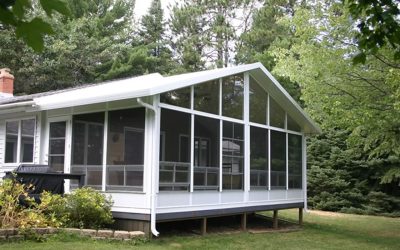
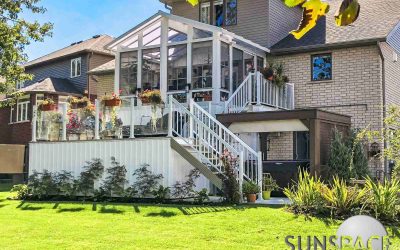
A deck base can work, but only if it was built for the new loads and for the frost depth. Many decks were designed for light use, not for a framed room with glass and a roof.
A deck is more likely to work if:
- Footings are already at frost depth and are in good condition.
- Posts, beams, and joists can support the added dead load and live load.
- Ledger connections and flashing are correct.
If the deck bounces now, it usually won’t improve after a sunroom is added.
How To Choose The Right Base
Foundation selection is mostly site facts plus comfort goals. Start with water and frost depth, then match the option to the room type.
Check Drainage First
Water issues create long-term problems, even with a strong foundation.
Look for:
- Downspouts dumping near the foundation.
- Yard grading that slopes toward the house.
- Low spots that stay wet after rain.
- Ice buildup zones and snow slide paths.
Confirm Frost Depth Requirements
In Connecticut, 42 inches is commonly referenced for frost depth planning and footing expectations. The IRC requirement to place exterior footings at or below the frost line is the baseline rule to keep frost heave risk down.
Match The Base To Room Type
Three-season rooms are often lighter and may have simpler comfort goals. Four-season rooms act more like conditioned space, so floor comfort, air sealing, and load capacity matter more.
Plan for:
- Heavier window systems and interior finishes.
- HVAC and electrical routing.
- A tighter building envelope can change how the floor system is built.
Quick Comparison Table
| Foundation Option | Best Fit | Main Watch Outs |
| Concrete Slab | Flat sites, grade level entries, solid finished floors | Drainage prep, crack control, insulation and air sealing details |
| Pier Footings And Beam | Slopes, raised floors, and limited excavation | Cold floors, wind under the room, and air sealing needs |
| Full Foundation Wall | Larger rooms, heavier roofs, four-season comfort | Higher cost, excavation, and waterproofing details |
| Existing Deck Base | Small rooms with strong, proven framing | Footing depth, framing capacity, ledger and flashing |
Foundation Planning Checklist
Before final drawings, confirm these items:
- Footing depth target based on local frost depth expectations.
- Drainage plan, including downspout routing and grading fixes.
- Three-season vs four-season goal and insulation approach.
- Floor height alignment with door thresholds, steps, and safe landings.
- Town inspection needs and plan review expectations.
FAQs
What Is The Best Foundation For A Season Sunroom In Connecticut?
A slab with proper frost protection or a full foundation wall is common for year-round comfort. The best choice still depends on drainage, finished floor height, and site access.
Can A Sunroom Be Built On An Existing Deck?
Sometimes, yes. Footing depth and framing capacity are the deciding factors, and many decks need upgrades to meet the new load and durability needs.
How Deep Do Footings Need To Be In Connecticut?
Connecticut code references a 42-inch frost line depth, and town checklists often use 42 inches below grade as a footing depth expectation. The IRC also requires exterior footings to be at or below the frost line depth.
Is A Slab Or Pier Foundation Cheaper?
Pier systems can cost less on sloped sites. Slabs can be cost-effective on flat sites, especially when the room is built at grade.
Conclusion And Next Step
A sunroom foundation choice should be driven by drainage, frost depth, and how the room will be used. In Connecticut, getting footing depth and water control right up front is often what prevents the biggest long-term problems.
Need a quick gut check before spending on plans? Reach out to Sunroom Designs New England for a friendly foundation and site review. A few photos, rough measurements, and notes on the yard grading can answer a lot.