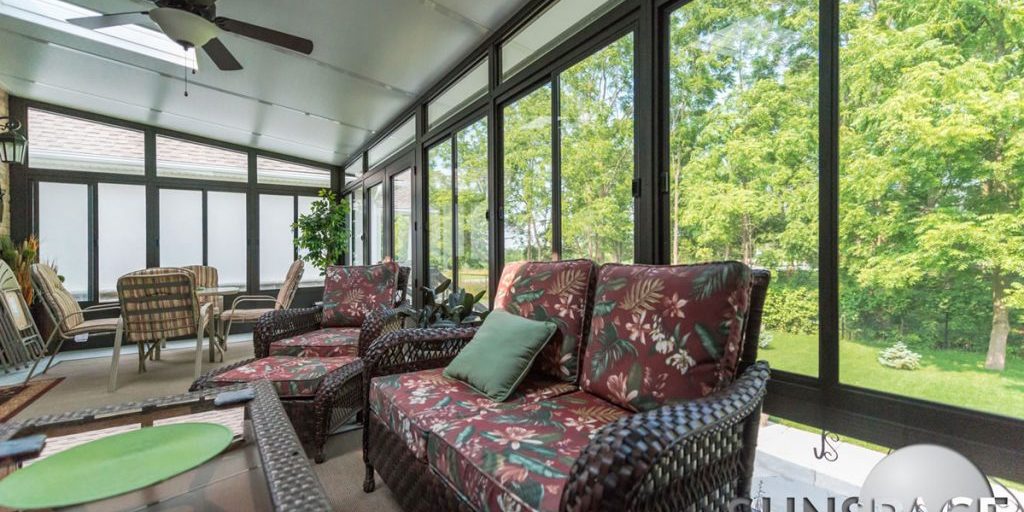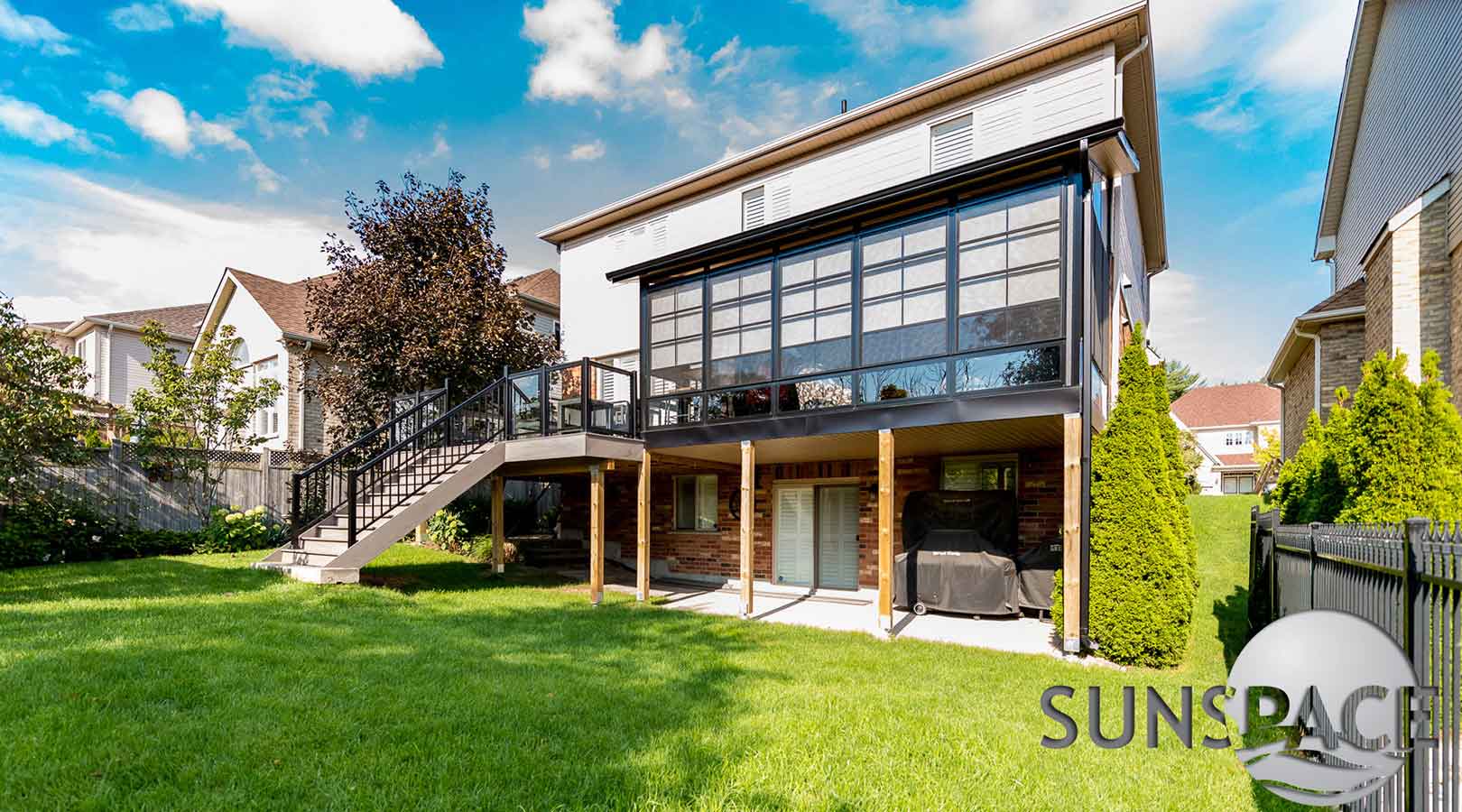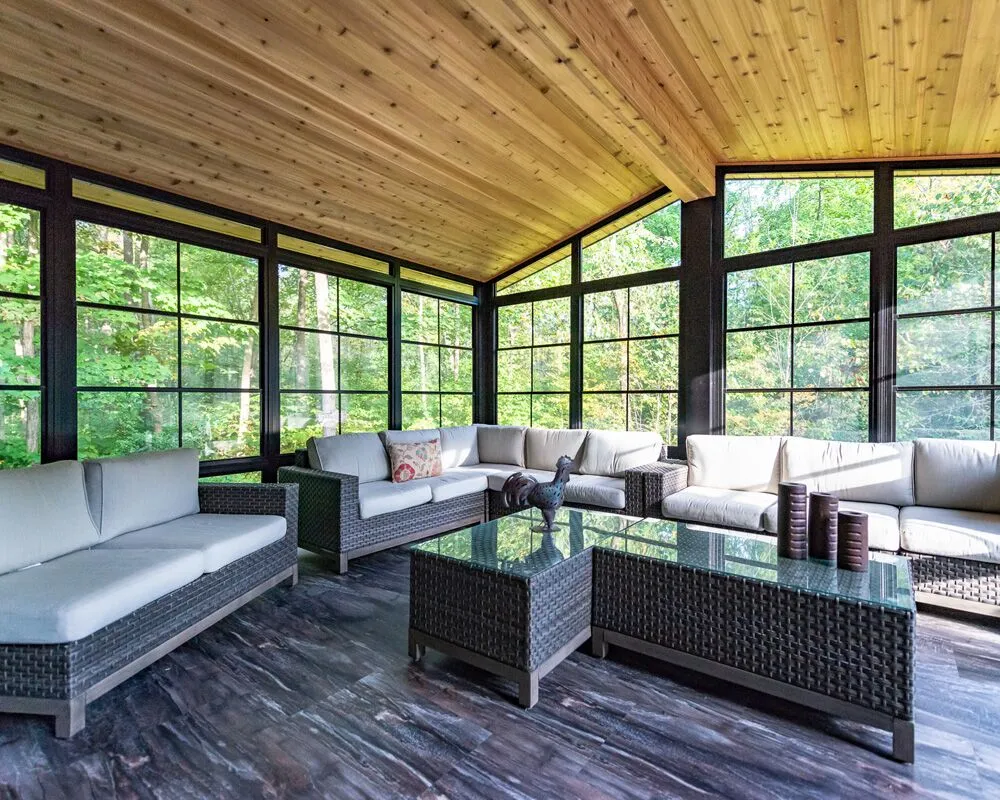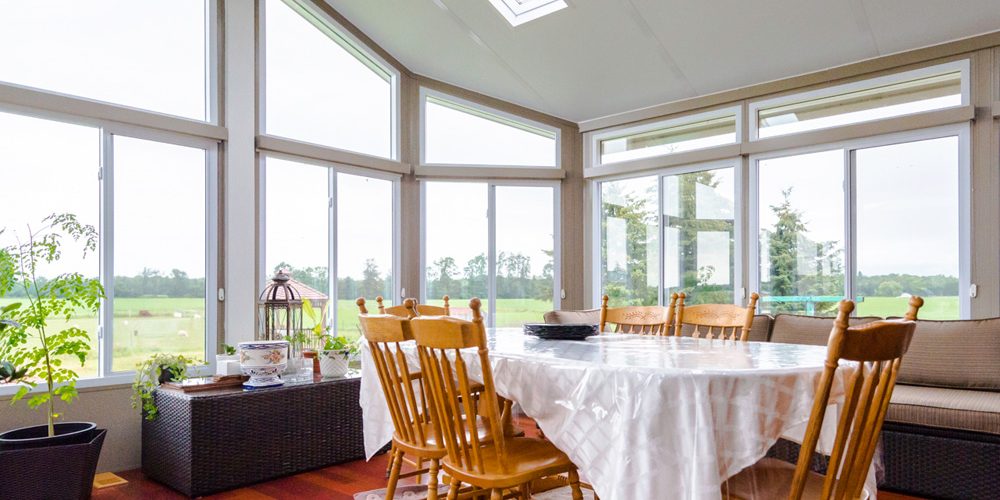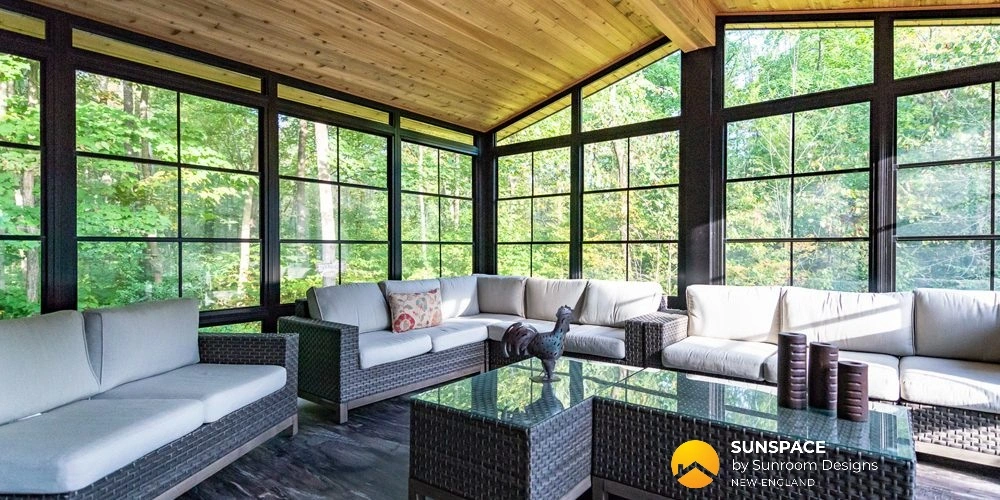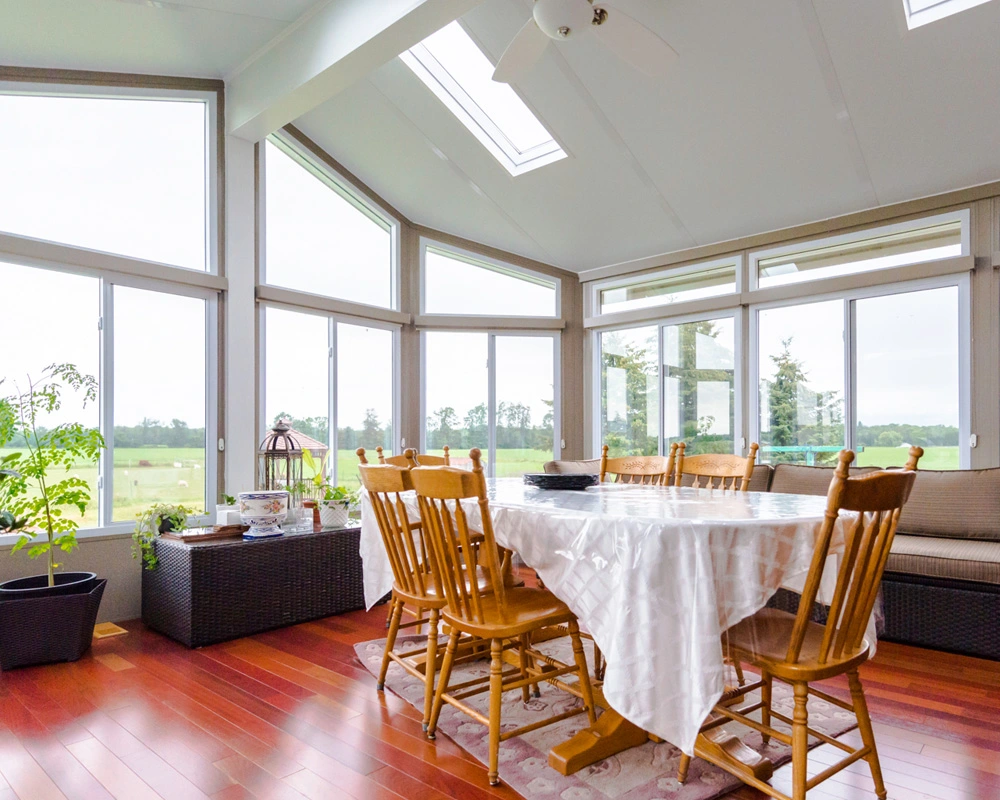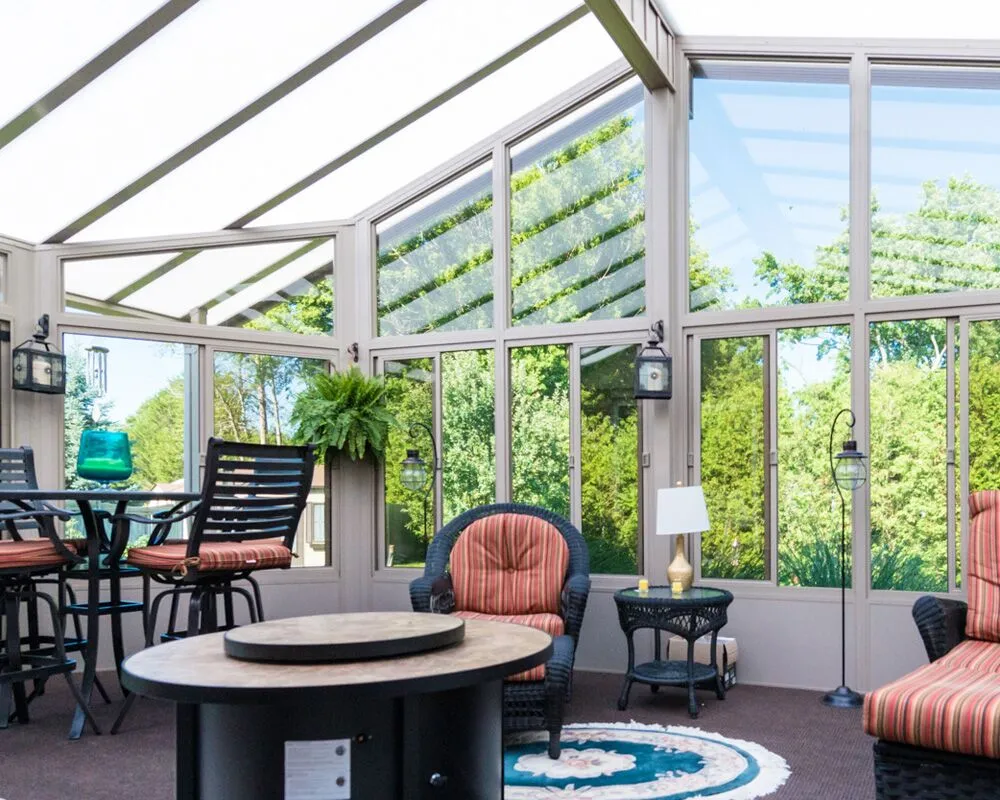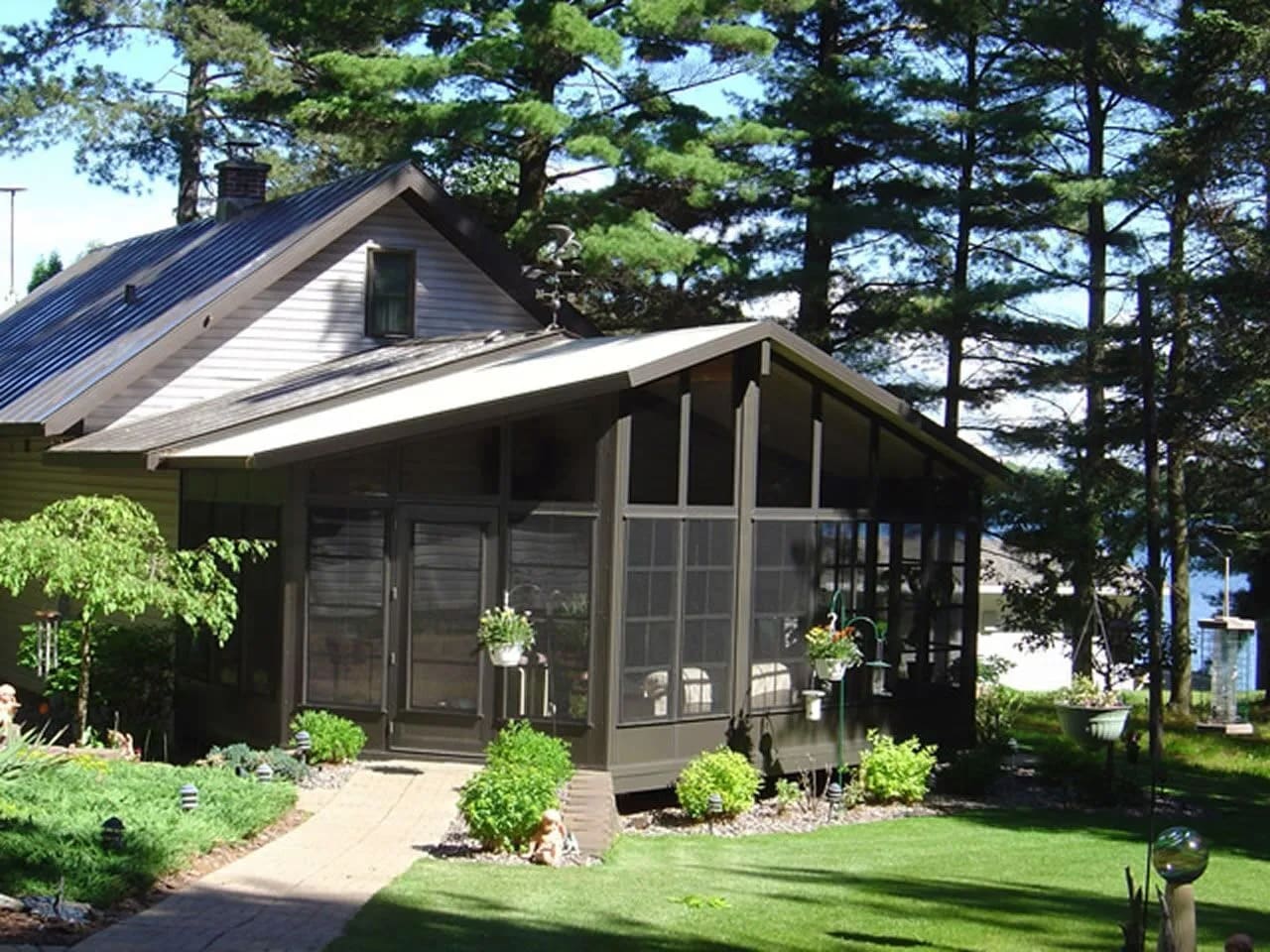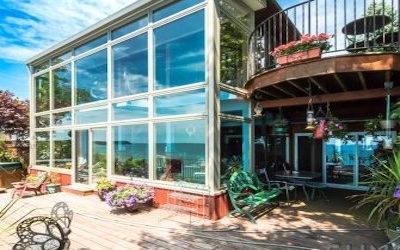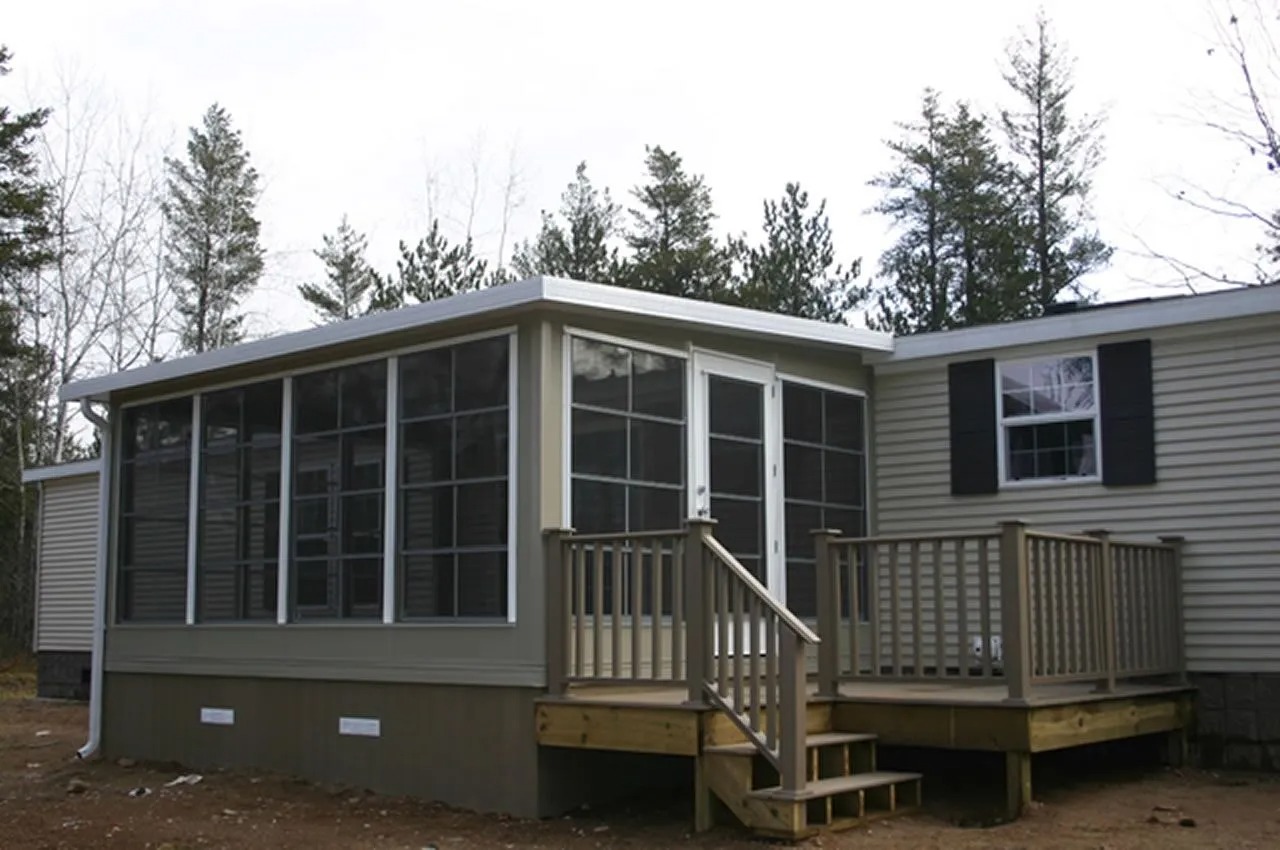
This guide shows how a Screen Room to Sunroom Upgrade can turn that “good for a few months” porch into a room that works in real New England weather. In this guide, you will find what a Screen Room to Sunroom Upgrade involves, what it takes in Connecticut, and how to plan it with less stress.
If you’re already sketching ideas and want a second set of eyes, you can always speak with a local sunroom specialist to review structure, codes, and options before you finalize plans.
Who is a Screen-to-Sunroom Upgrade Best for in Connecticut?
Many older screen rooms here were built for summer evenings only. Light framing, mesh panels, and a bare slab or deck lose heat fast once nights turn cold.
An upgrade usually makes sense when the location already works well. Maybe the room faces the backyard, sits off the kitchen, or looks over woods and would be perfect for coffee, remote work, or plants if it stayed warm past October.
What does “Year-round” Really Mean in this Climate?
In Connecticut, “year-round” means the room stays usable during single-digit nights and also does not overheat in August.
So the space needs more than glass. It often needs insulated windows, framing that reduces heat loss, tight air sealing, and a real heat source such as a mini-split or tied-in HVAC, plus some way to manage strong sun in summer. Without these pieces, the result is closer to a nicer three-season room than a true four-season space.
How does a Screen Room differ from a Sunroom?
On paper, they sound similar, but in a Connecticut winter, they act very differently. The shift from mesh and light framing to insulated walls and glass is what makes the room feel like part of the home, not just a porch.
Here is a quick side‑by‑side look.
Screen Room vs Sunroom at a Glance
| Feature / Factor | Typical Screen Room | Typical Sunroom |
| Enclosure | Mesh screens, low weather protection | Glass walls or windows that seal out wind and rain |
| Seasonal use in CT | Best from late spring to early fall | Three-season or four-season with the right design |
| Temperature control | No insulation, no fixed heat or AC | Insulated walls, better glass, options for heat/AC |
| Weather and pollen | Wind and pollen pass through | Much better control of drafts and pollen |
| Typical investment | Lower cost, basic finishes | Higher cost, closer to a light addition |
For Connecticut homes, insulation level, window quality, and how “addition‑like” the structure is tend to matter most.
How does a Screen Room to Sunroom Upgrade Usually Work?
Every house is a bit different. However, most projects follow three main stages that you can match against any quote.
1. Structural Check and Code Basics
First, the existing structure gets checked. A builder or engineer looks at posts, beams, joists, or slab, and how the room ties into the house to see if they can handle the added weight of walls and glass.
In Connecticut, the State Building Code and local rules set frost-depth, snow-load, and energy requirements for enclosed rooms, including glass-heavy sunrooms. Sometimes this means deeper footings, extra posts, or stronger framing before any walls go up.
2. New Walls, Windows, and Insulation
Once the structure is ready, screens come off, and new walls or full-height glass sections go in. The window system is chosen for cold winters instead of just summer breezes.
Many four-season projects use insulated glass with low‑E coatings and window frames with thermal breaks to cut heat loss and reduce condensation. Wall insulation, air sealing at the house, and careful roof flashing help the room hold heat and stay dry.
3. Electrical, Finishes, and Inspections
After the shell is built, trades install electrical systems and, if needed, HVAC systems. Then come drywall or paneling, flooring, trim, and paint. All outlets, lighting, and heating must match code and the approved plans.
Most towns call for inspections at framing, electrical, insulation, and final sign‑off. A quick check‑in with the local building office or a code‑savvy contractor early on can make this process smoother.
Should the Room be Three-Season or Four-Season?
Not every upgrade needs full four-season performance. Some owners choose a three-season sunroom that feels great from spring through fall and accepts cooler conditions in deep winter.
A four-season sunroom aims to feel like part of the rest of the house, even in February. It usually has higher insulation, better windows, and heat that keeps up with long, cold snaps and snow.
Cost and Complexity in Simple Terms
Across many regions, guides show conversions starting in the mid-thousands and rising with size, structure, and finishes. In Connecticut, added snow-load design, insulation, and code rules for habitable space often push a true four-season project higher on that range.
Three-season upgrades usually cost less because they use lighter insulation and simpler window systems, but they still cost more than just new screens. The better fit comes down to how often the room should be used and how long the current owner plans to stay.
Key Design Choices for Real Year-Round Comfort
Once structure and code are set, design choices decide how the room feels day to day. A few areas matter most in our climate:
- Flooring: Insulated subfloors under tile or LVP help old slabs feel warmer in winter.
- Window layout: Larger south-facing glass with shading can bring in winter sun, while smaller north-facing openings help reduce heat loss.
- Shades and airflow: Simple blinds and operable windows help stop summer “greenhouse” heat but keep the room bright in February.
- Electrical planning: Outlets and lighting placed for laptops, floor lamps, and holiday lights make the room feel lived in, not just staged.
For extra research on windows and insulation, trusted resources like Energy Star and the U.S. Department of Energy give a solid background while you compare options.
Is a Screen Room to Sunroom Upgrade the Right Move?
This kind of project often fits well if several points feel true:
- The current screen room is already in use on mild days.
- More natural light is welcome, but a full addition feels like too much.
- Some level of permit work and short-term disruption feels acceptable.
- The plan is to stay in the home long enough to enjoy the new room.
Quick FAQs
Is it cheaper to convert a screen room than build a new sunroom?
Often, yes. If the existing structure and foundation can be reused, conversion can cost less than a full new build. If the deck or slab cannot meet snow-load or frost rules, extra work can narrow that gap.
Do Connecticut towns require permits for this kind of upgrade?
Most do once a porch is enclosed, especially if the space is heated or cooled. Local building departments can confirm rules for your address, but assuming permits are needed is usually safer.
How long does a typical project take?
Once permits and materials are ready, many upgrades wrap up in about four to eight weeks, with weather and complexity affecting the schedule. Design and permitting can add a few weeks at the front end.
Ready to See What’s Possible for Your Space?
Start by sketching how you’d actually use the room in both January and July. Take a few quick photos of the current structure and jot down rough measurements. Then reach out to a Sunroom Designs New England specialist who knows local codes, weather demands, and realistic budgets.