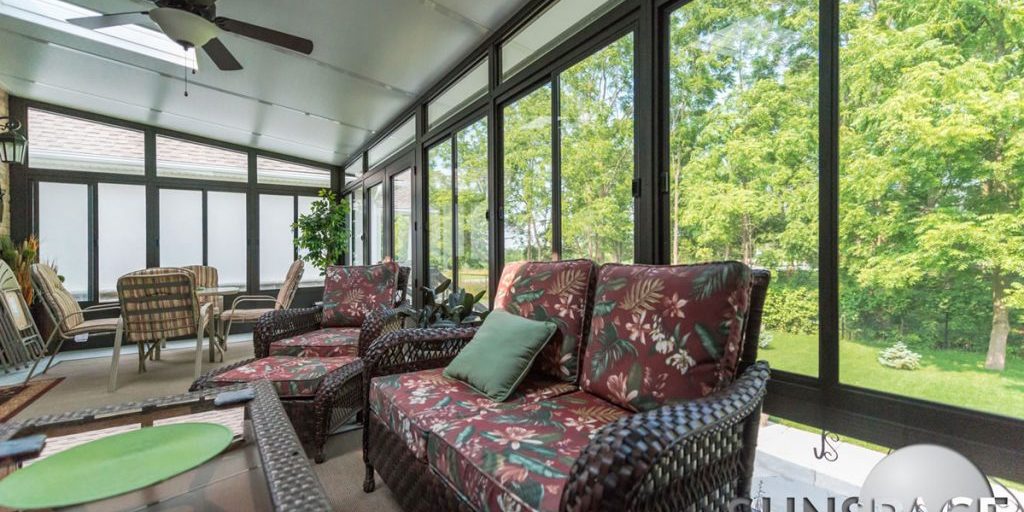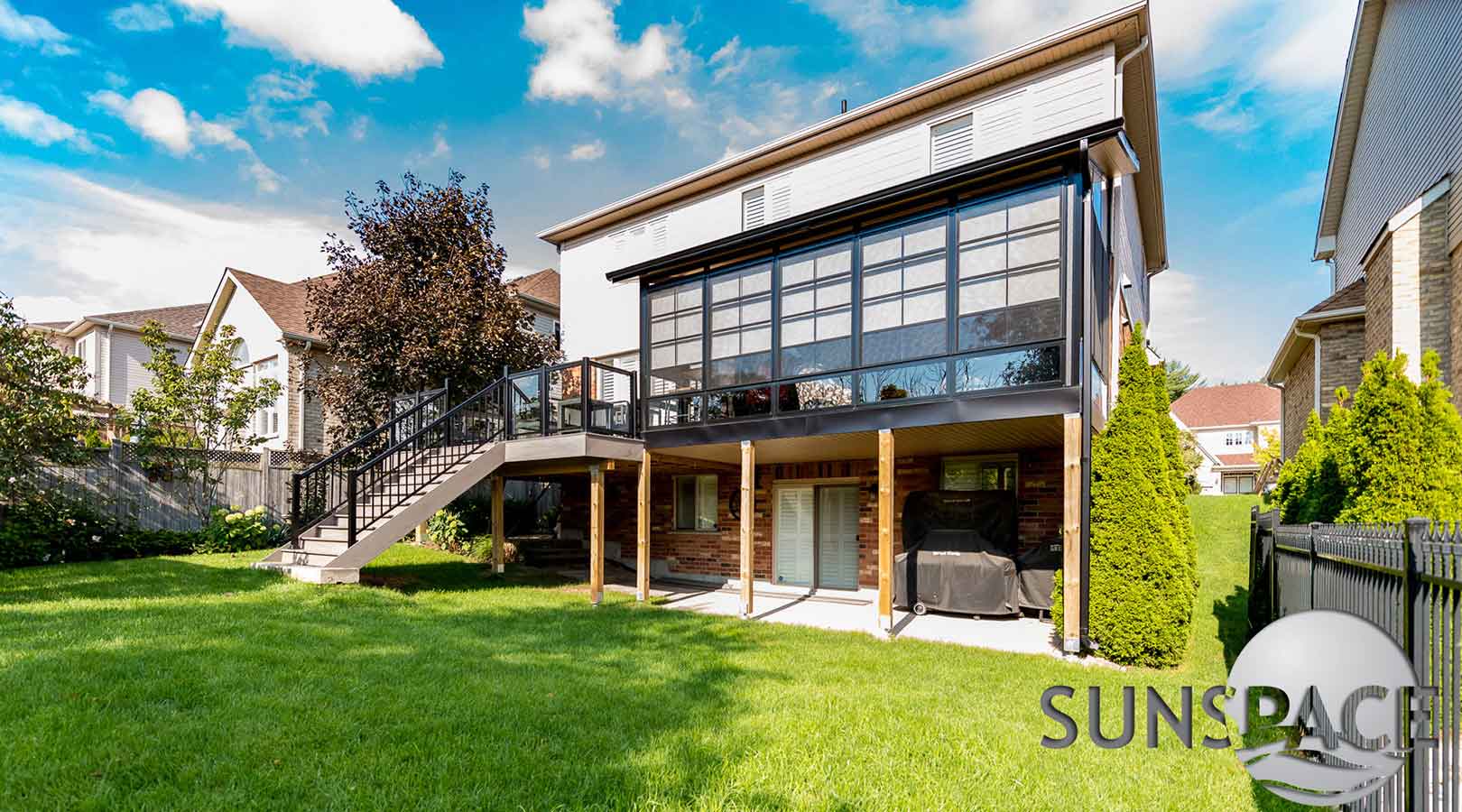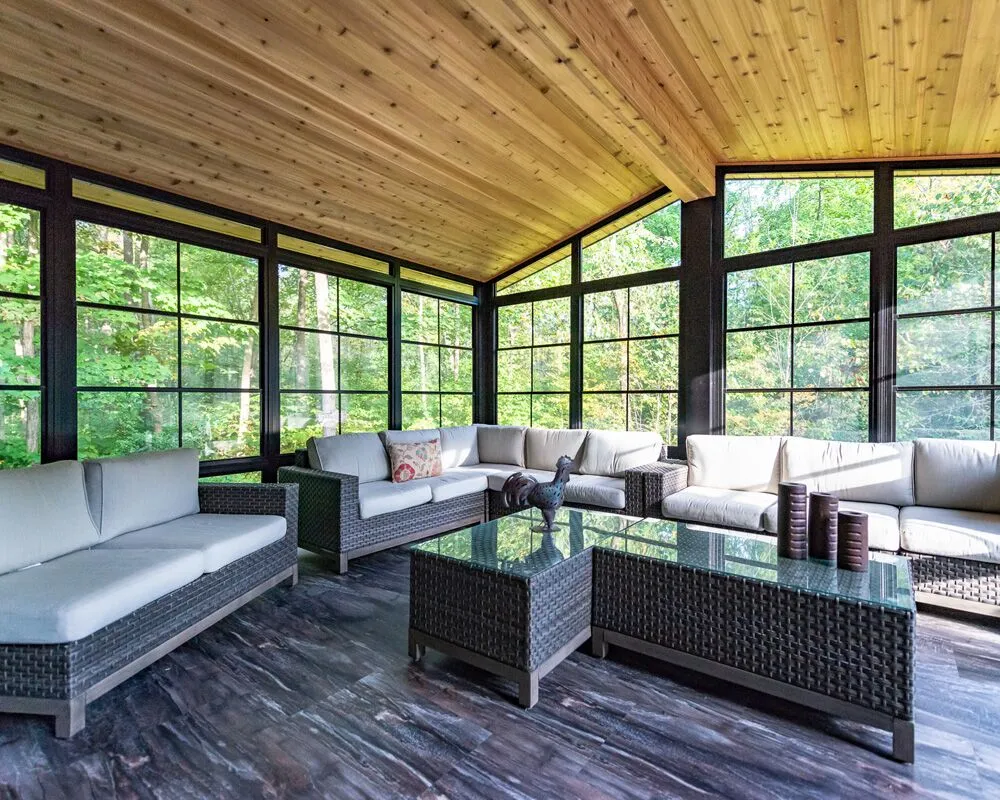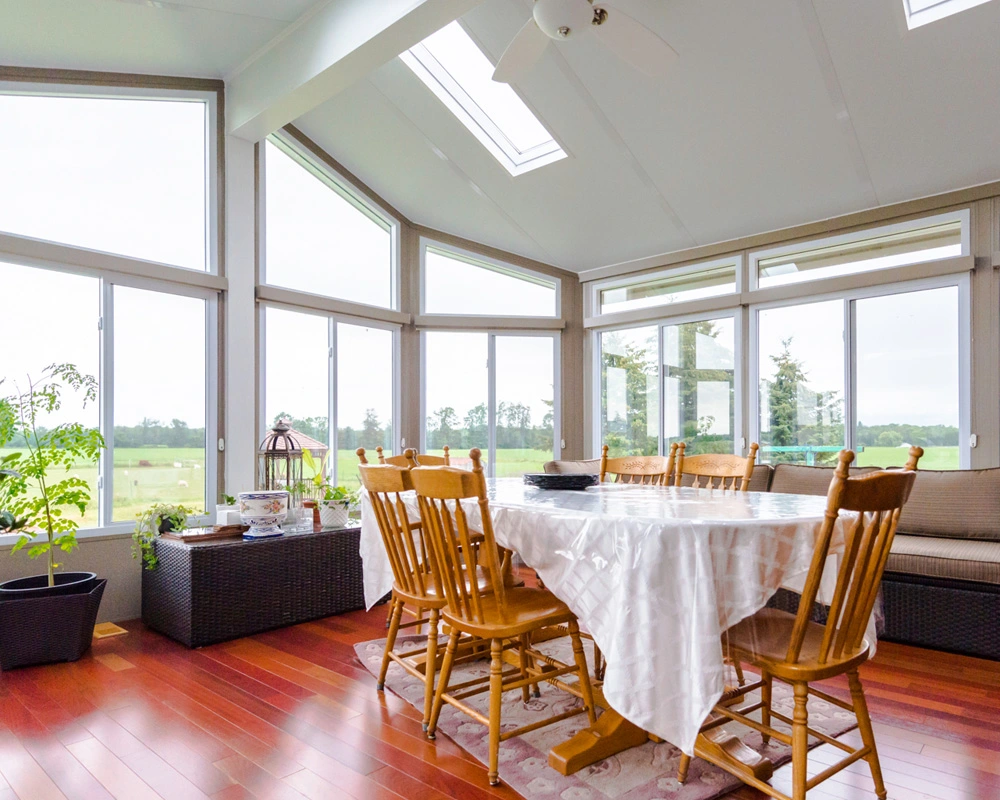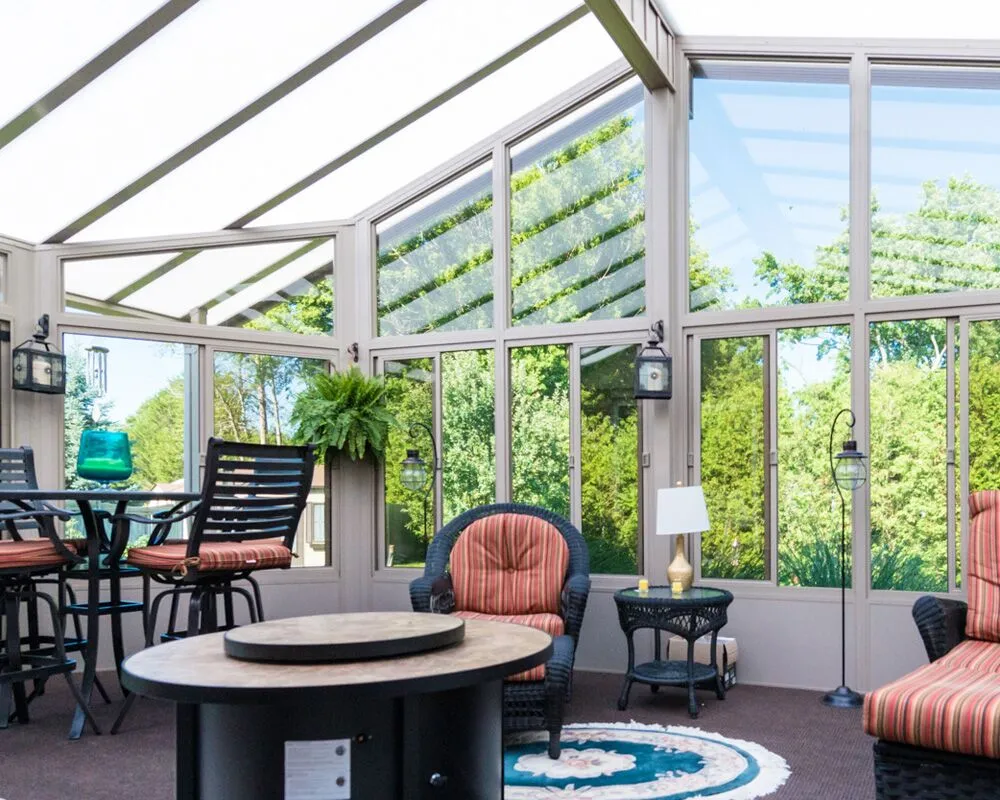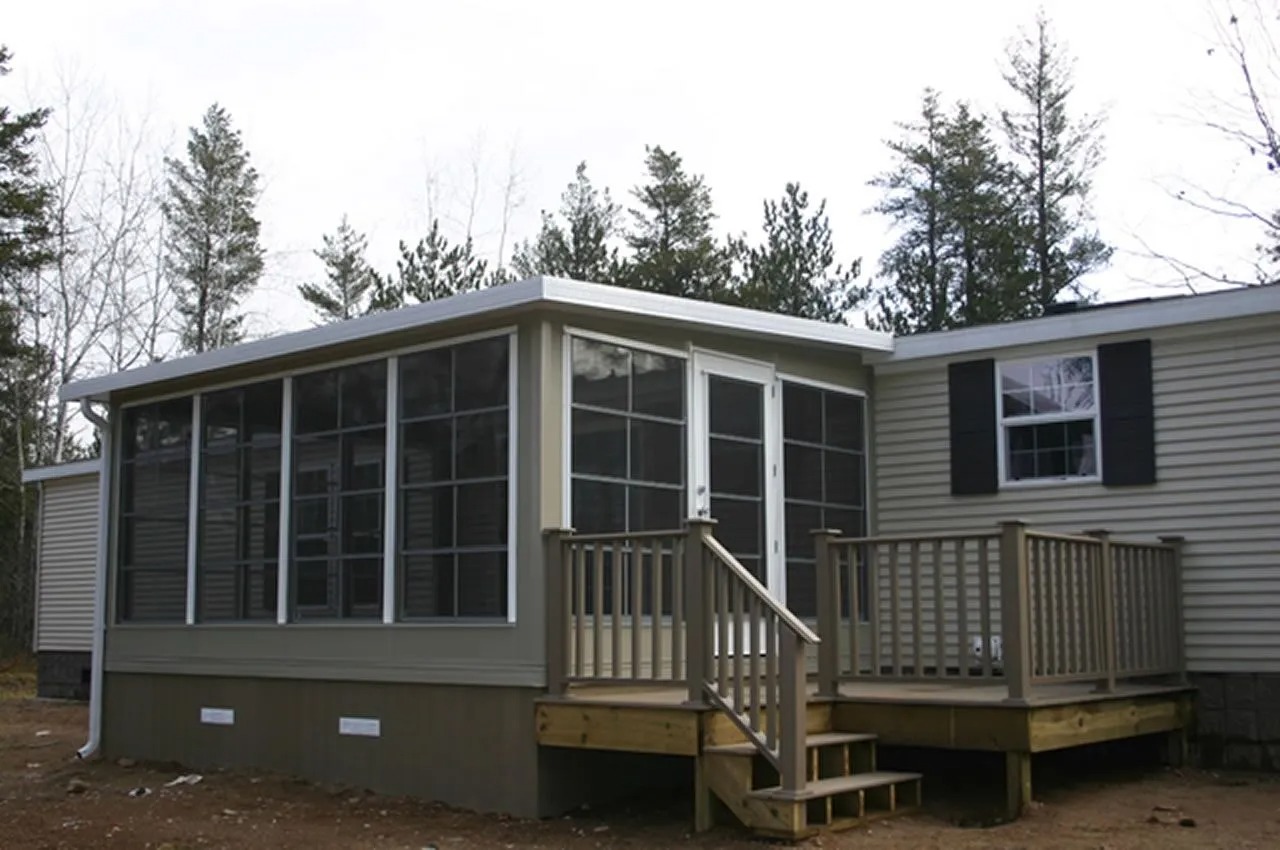
In this guide, you’ll see how Sunrooms Impact Connecticut Home Resale, what typical ROI ranges look like, and the main details that make a sunroom a true selling point instead of a buyer concern.
If you’re already weighing options, a Sunroom consultation in Connecticut with a local team can help you see which choices will support both comfort and resale value.
Why Connecticut Buyers Care about Sunrooms
Connecticut has long winters and short shoulder seasons, so buyers often like extra natural light and a flexible indoor‑outdoor space, especially in older homes with smaller or darker rooms.
At the same time, many buyers watch property taxes, energy bills, and upkeep. A drafty, unpermitted, or awkward sunroom can feel like a future repair project rather than a bonus.
Do Sunrooms Really Add Resale Value in Connecticut?
Most data shows that sunrooms can increase resale value, but rarely dollar‑for‑dollar. The impact depends on the type of room, construction quality, and how well it blends with the house.
Across national and regional sources, sunrooms usually fall into the “moderate but real value add” category, especially when they offer usable space rather than just a glass porch.
Typical ROI Ranges
- Screen rooms: about 20%–40% of project cost at resale.
- Three‑season sunrooms: about 30%–50%.
- Four‑season or full‑addition sunrooms: about 50%–70%, sometimes higher in strong markets.
- Several New England and Connecticut providers report around a 4%–6% overall value bump from a well‑built, integrated sunroom.
These figures vary by town, house style, and build quality, but they give a solid baseline.
How Appraisers and Agents Treat Sunrooms
Appraisers start by asking what the room is on paper. If the sunroom is insulated, heated, and built to Connecticut code as a habitable space, it’s more likely to be counted as a real living area.
Three‑season or unheated rooms still improve marketability, but they’re usually valued closer to a high‑end porch or enclosed deck rather than full square footage. The closer your sunroom is to the rest of the house in comfort and documentation, the stronger its resale impact tends to be.
Three‑Season vs Four‑Season: Which Adds More Value?
Both options can help, but they perform differently in a New England climate.
A three‑season sunroom is usually less expensive and works well from spring through fall, though winter use is limited without added heat.
A four‑season sunroom costs more, yet offers year‑round use and is more likely to be treated as a living area, which usually leads to higher ROI and stronger buyer interest.
ROI and Resale Impact by Sunroom Type
| Sunroom type | Typical use in CT | Approx. ROI range | Resale impact style |
| Screen room | Warm months only | ~20%–40% | Premium porch; lifestyle upgrade |
| Three‑season sunroom | Spring–fall | ~30%–50% | Lifestyle appeal, moderate value bump |
| Four‑season sunroom | Year‑round | ~50%–70% | Closer to the living area, stronger ROI |
| High‑end CT sunroom | Year‑round, integrated | Home value up ~4%–6% | Strong appeal in competitive markets |
Actual results depend on house type, neighborhood, and overall market conditions.
What Makes a Sunroom Help your Sale Instead of Hurt it?
Two similar‑sized sunrooms can deliver very different results. Three things matter most: quality, compliance, and fit.
Quality, Permits, and Energy Performance
Connecticut buyers and inspectors usually look for:
- Permits and passed inspections, so there are no surprises at closing.
- Sound structure and weatherproofing, including solid framing, tight windows, and proper flashing at the roof tie‑in.
- Decent energy performance, so the room is not freezing in January or overheated in July.
For more on window performance and insulation choices, independent resources like the Efficient Windows Collaborative and BPI Homeowner building science guides offer clear, consumer-focused guidance.
Design Fit and Neighborhood Expectations
The sunroom should match the home’s scale and style. A huge glass box on a small Cape can feel out of place, while a proportionate room that matches roof lines and siding tends to feel natural.
It also helps to check nearby listings. In areas where sunrooms or four‑season rooms are common, buyers may expect similar features, and a good sunroom can help your home compete.
How to Plan a Sunroom with Resale in Mind
Planning with resale in mind means checking that comfort and numbers both make sense before you build.
Key Questions to Ask
- How many months a year should this room feel comfortable without extra heaters or fans?
- Will an appraiser treat it as a living area or more like a porch?
- Does the design feel like it grew with the house or like an add‑on?
- Does the budget still feel right if ROI ends closer to 40% than 60%?
Clear answers make later choices about sunroom type, glazing, heating, and finishes much easier.
FAQs: Sunrooms and Connecticut Resale Value
Do sunrooms count as living space in Connecticut?
Only if they meet code as habitable space, with insulation, permanent heat, and full compliance with Connecticut building rules, those rooms are more likely to be counted as living area in appraisals.
What’s a realistic ROI for a sunroom here?
Many sources report an ROI of 30% to 60% of project cost, depending on the type and quality. Some New England and Connecticut contractors report about a 4%–6% overall value increase from well‑built projects.
Will an unpermitted sunroom hurt my home sale?
Often yes. Unpermitted work can create code, insurance, and lending issues, so buyers and lenders may discount the value or require fixes. Proper permits and inspections protect resale.
Does a four‑season sunroom add more value than a three‑season room?
Usually, four-season rooms can be used year‑round and are more likely to be treated as living space, so they tend to add more value than three‑season rooms, which are seen more as lifestyle upgrades.
When to Talk With a Local Expert
Local zoning, buyer preferences, and housing stock shape value more than national averages do. A short conversation with Sunroom Designs New England can provide real, current guidance.
We can share how similar rooms have affected recent sales, what buyers in your price range ask for, and which upgrades actually move the needle.