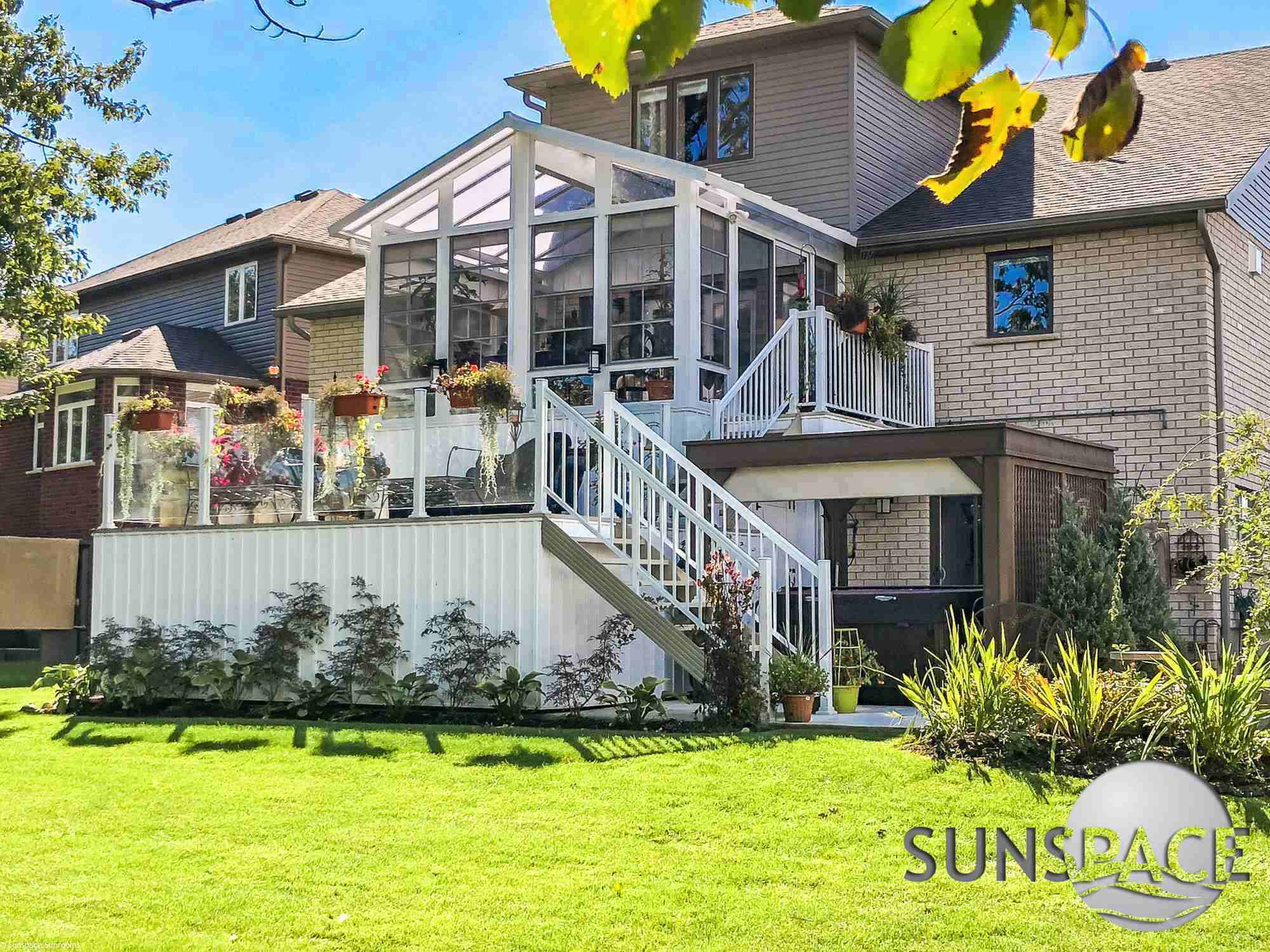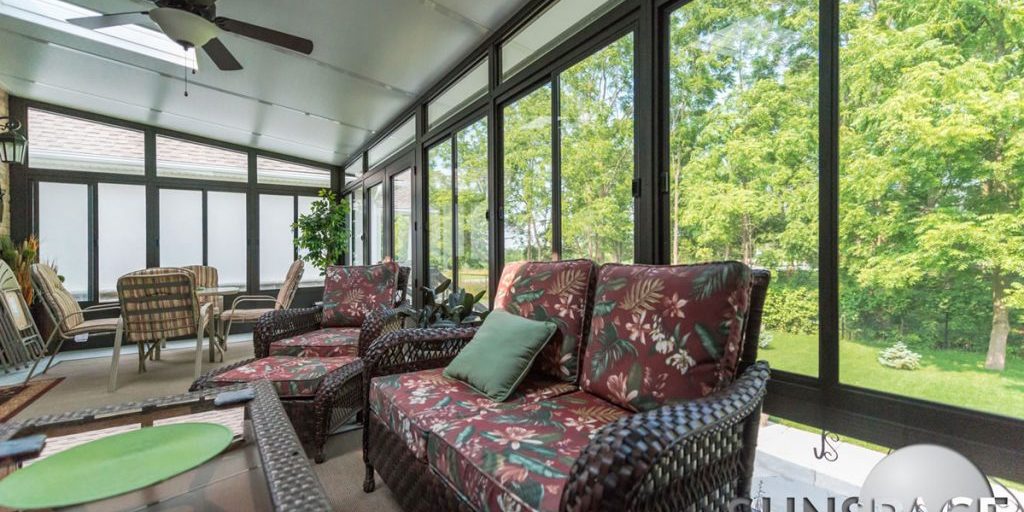
This guide covers the structural and material decisions that make a sunroom genuinely weather-resistant in New England.
Have questions about your specific home? Reach out to a specialist before locking in a design.
As sunroom builders in Connecticut with over a decade of experience, we’ve seen exactly what New England weather exposes in a poorly planned build. Here’s what to focus on.
Foundation and Framing: Where Weather Resistance Begins
Weather tolerance starts below grade. In Connecticut, exterior footings must reach at least 42 inches deep to stay below the frost line and prevent frost heave. Frost heave occurs when water in the soil freezes, expands, and pushes the foundation upward, leading to sloped floors, cracked finishes, and doors that no longer close properly.
The framing also needs to be rated for local snow and wind loads. Heavy-gauge aluminum extrusions are the standard for quality sunroom systems because they resist corrosion, don’t warp through temperature swings, and carry meaningful structural loads without adding excessive weight. Ask your contractor specifically what snow load rating the roof assembly carries before signing anything.
Glazing: the Biggest Performance Variable
The glass system in a sunroom determines more about comfort and durability than almost any other component. Three specifications matter most for New England conditions:
- U-factor: Measures how quickly heat escapes through glass. For year-round use in Connecticut, look for U-factors of 0.30 or below.
- Solar Heat Gain Coefficient (SHGC): Measures how much solar radiation enters through the glass. Higher SHGC on south-facing glass supports passive heat gain in winter. Lower SHGC on east and west exposures controls summer overheating.
- Low-E coatings with Argon gas fill: Low-E coatings reflect heat back into the room in winter and block radiant heat in summer. Argon gas between double panes slows heat transfer more effectively than air alone.
Tempered or laminated safety glass is also worth specifying for roof panels. It handles the impact stress from sudden snow accumulation and hail without shattering.
Thermal Breaks and Air Sealing
Two details separate a well-built sunroom from a poor one: thermal breaks and air sealing.
A thermal break is a non-conductive insert built into the aluminum frame that stops cold from conducting through the metal into the interior. Without it, frames feel cold to the touch in winter and produce condensation along the perimeter regardless of how good the glass is.
Air sealing matters just as much. Small gaps around window frames, door frames, and roof transitions are where most heat loss actually occurs in glass-heavy structures. A contractor who treats air sealing as standard procedure is giving you a reliable signal about their overall quality standards.
Roof Design: Snow, Ice Dams, and Drainage
The roof takes the hardest hit from extreme weather. A few design principles apply directly to Connecticut conditions.
Pitch and snow shedding: A steeper roof pitch sheds snow more readily and reduces accumulated load. Low-slope roofs in snowy climates need to be engineered for higher snow loads, which adds complexity and cost.
Insulated panels reduce ice dams: Ice dams form when heat escapes through the roof, melts snow above, and that water refreezes at the cold eaves. Well-insulated roof panels in the R-12 to R-24 range keep the surface temperature more consistent and reduce this cycle significantly.
Flashing at the tie-in point: Where the sunroom meets the existing house, is the most common location for leaks. Proper flashing, sealant, and drainage management at this junction are non-negotiable, especially given Connecticut’s wet springs and fall storms. Understanding your sunroom foundation options in Connecticut is worth doing before any structural decisions are finalized, since drainage and footing depth decisions are connected.
Ventilation and Summer Heat Control
Extreme weather isn’t only a winter problem. Connecticut summers bring humidity, UV exposure, and heat that make a poorly ventilated sunroom uncomfortable by mid-morning.
Operable windows with meaningful ventilation capacity are a practical starting point. Sunspace WeatherMaster windows provide up to 75% ventilation when fully open, which allows cross-breeze airflow that reduces mechanical cooling needs on moderate days. For full year-round comfort, a dedicated ductless mini-split handles both heating and cooling without requiring ductwork through the existing home.
Motorized sunshades are also worth including in the design. They give you control over solar heat gain on bright days without permanently blocking the view or relying on interior curtains that can trap heat near the glass.
Choosing the Right Sunroom Model for Your Exposure
Not every sunroom product is built for the same weather conditions. The right fit depends on your site’s exposure level and how you plan to use the space throughout the year.
| Model | Best for | Key Weather Features |
| Model 200 | Three-season use, sheltered sites | WeatherMaster 4-track vinyl windows, 75% ventilation, wind and rain protection |
| Model 300 | Extended season use, moderate exposure | Insulated walls, thermally broken frames, improved cold-weather performance |
| Model 400 | Year-round use, high exposure | Full insulation, thermal breaks, Low-E Argon glass, four-season comfort |
Comparing Sunspace sunroom models side by side is a useful step before committing to a design, since the structural and glazing differences between models have a direct impact on how well the room performs through Connecticut’s full weather range.
Frequently Asked Questions
What’s the most common structural failure in Connecticut sunrooms?
Frost heave from shallow footings is the most frequent issue. Footings need to reach 42 inches below grade in most Connecticut towns to prevent movement during freeze-thaw cycles.
Do I need a permit for a sunroom in Connecticut?
Yes. Any enclosed addition requires a building permit. Your contractor handles the filing, but plan for it to add time to the overall schedule.
How do I prevent condensation on sunroom windows in winter?
Low-E Argon double-pane glass combined with thermal breaks in the frame and proper air sealing significantly reduces condensation. Single-pane or uncoated glass without warm-edge spacers will almost always produce condensation in Connecticut winters.
Can an existing screen room or porch be upgraded to handle extreme weather?
Often yes, but the existing structure needs a proper evaluation for footing depth, framing capacity, and snow load rating first. Upgrading a screen room to a sunroom in Connecticut involves structural checks before any glass or insulation work begins.
What roof pitch works best for heavy snow areas?
A steeper pitch sheds snow more readily and reduces ice dam risk. The right pitch also depends on your home’s existing roofline and local code requirements, so your contractor should confirm this based on your specific site.
Is a mini-split better than connecting to my home’s HVAC?
For most sunrooms, yes. A dedicated mini-split gives you independent temperature control and runs more efficiently in a glass-heavy space than extending your central system, which is calibrated for standard insulated walls.
Ready to Plan a Weather-Ready Sunroom?
Designing a sunroom that holds up through Connecticut’s full range of conditions requires getting the structural, glazing, and ventilation decisions right from the start. Foundation depth, glass specifications, thermal framing, roof load ratings, and air sealing all work together. Getting one wrong tends to show up quickly once New England weather sets in.
The team at Sunroom Designs New England has been building weather-ready sunrooms across Connecticut for over a decade. Reach out today, and we’ll walk through the design details with you.