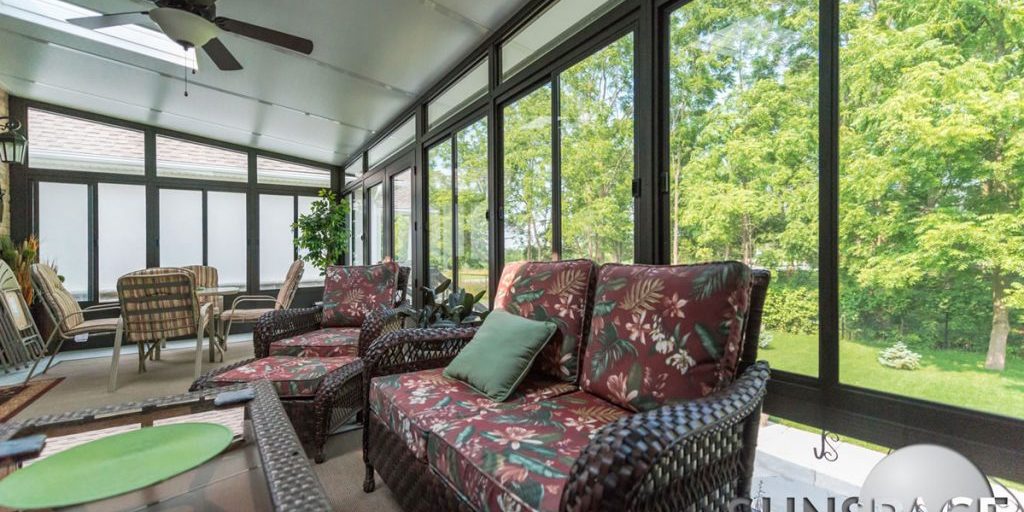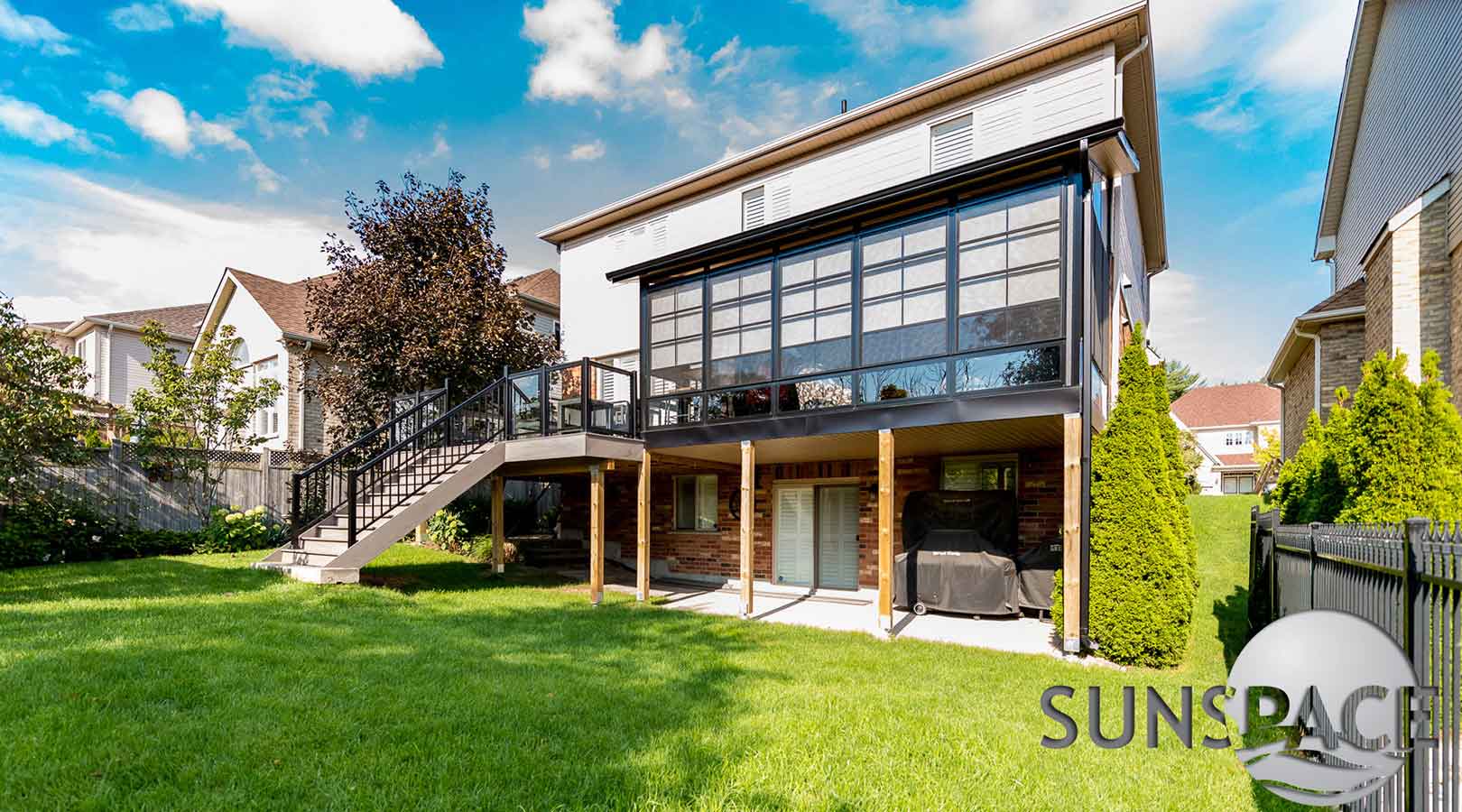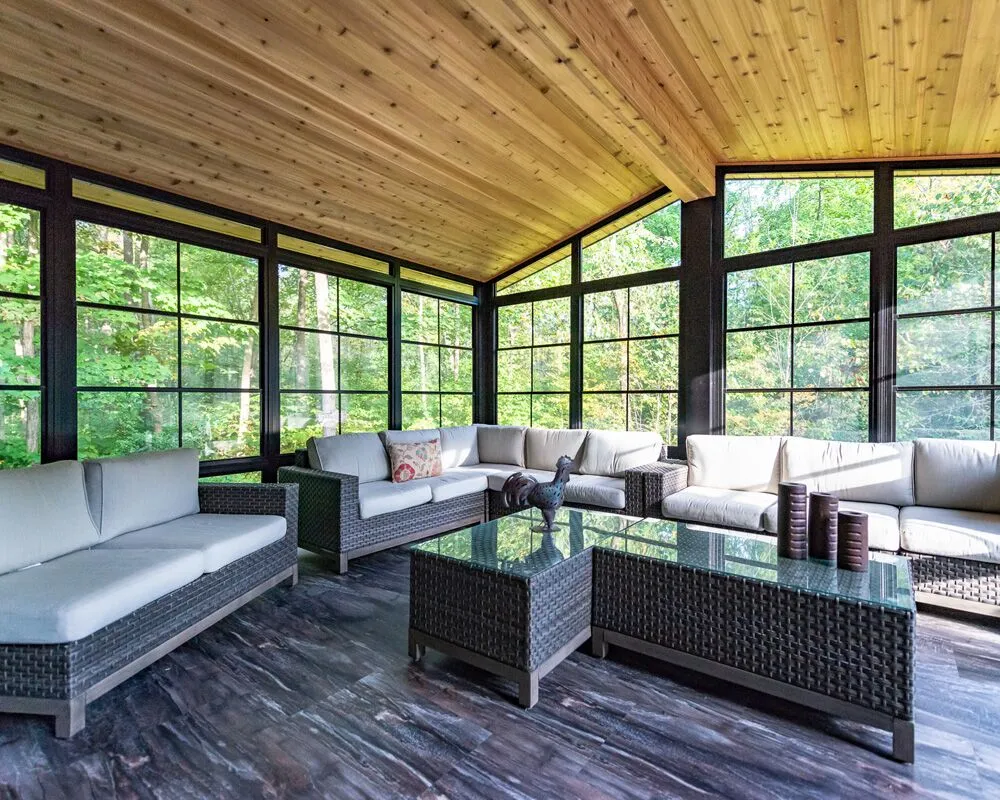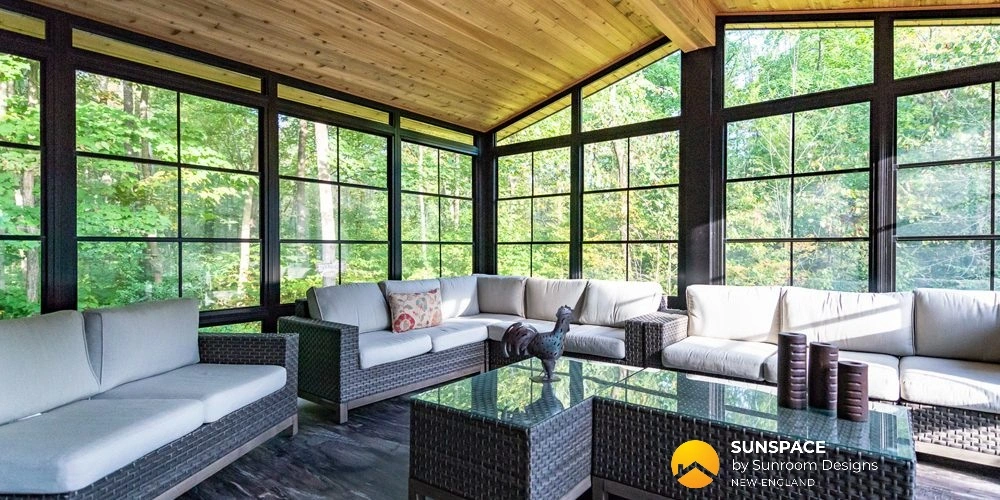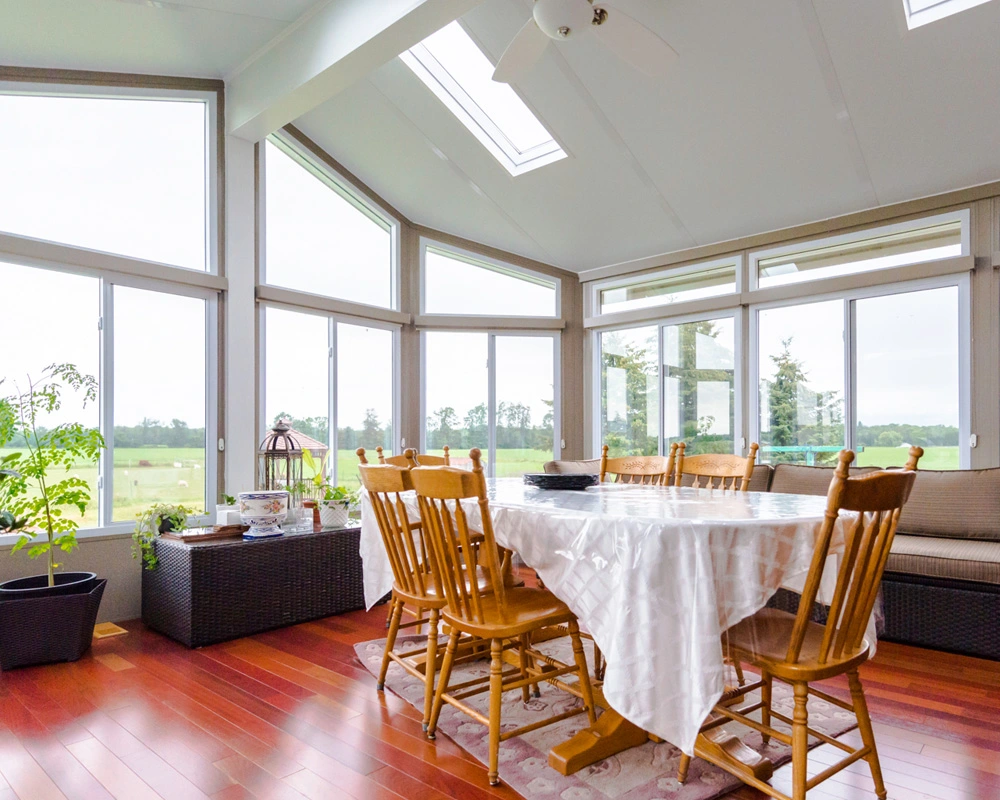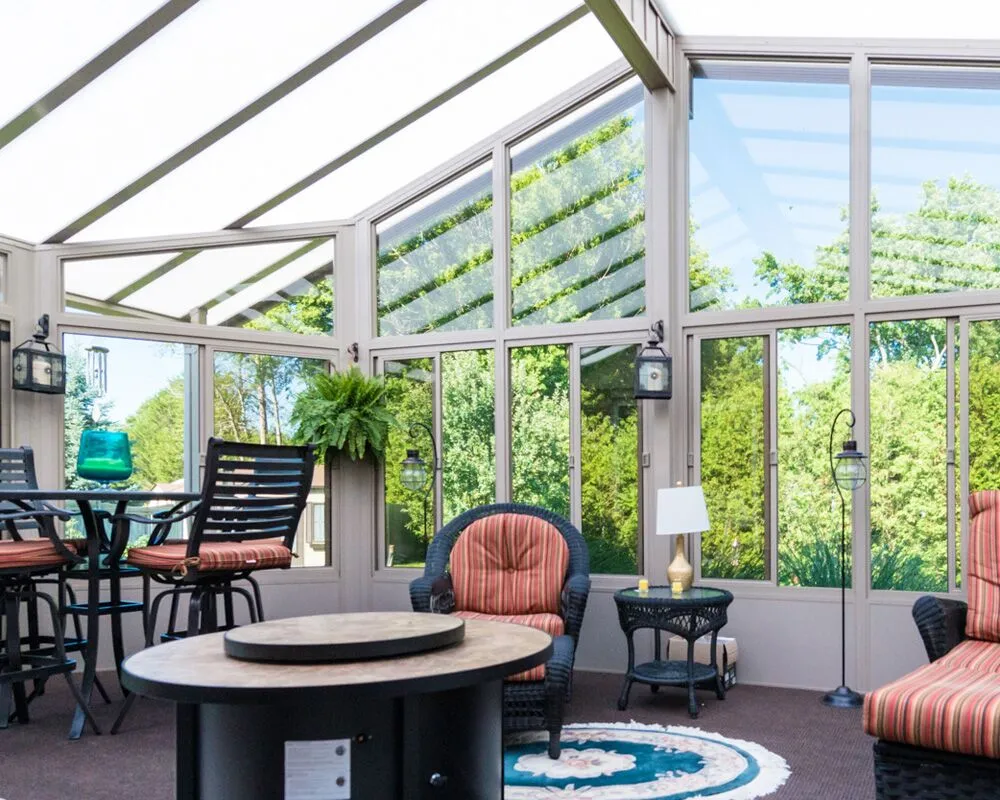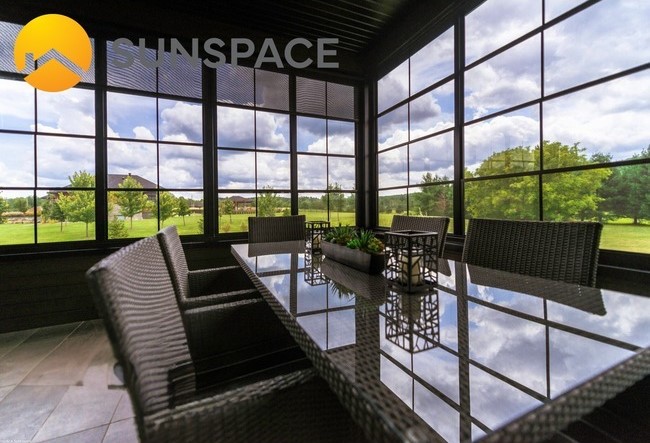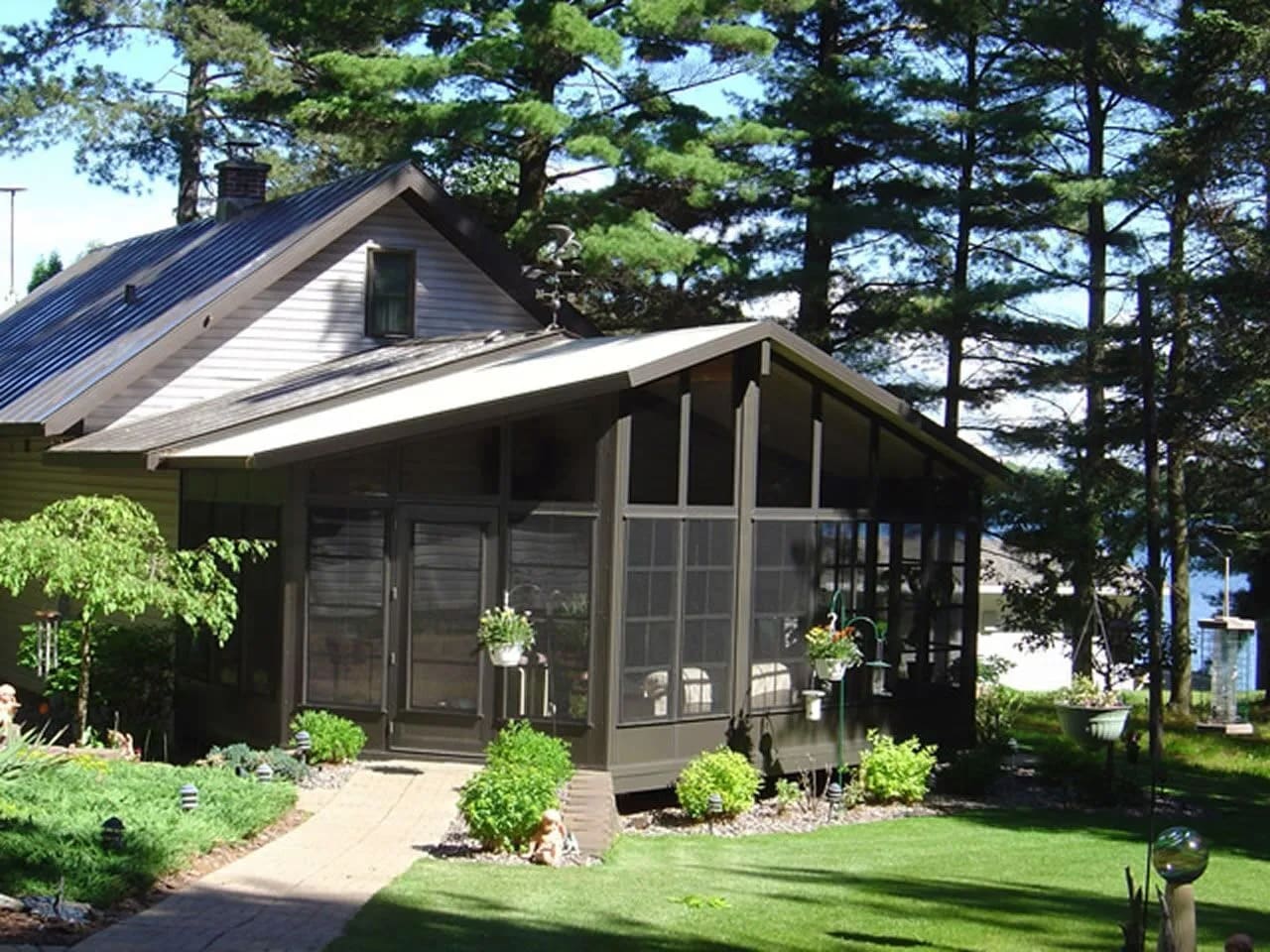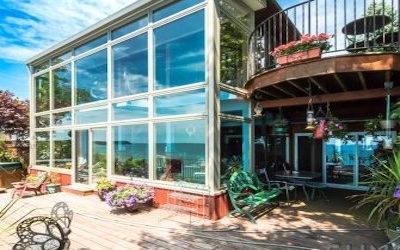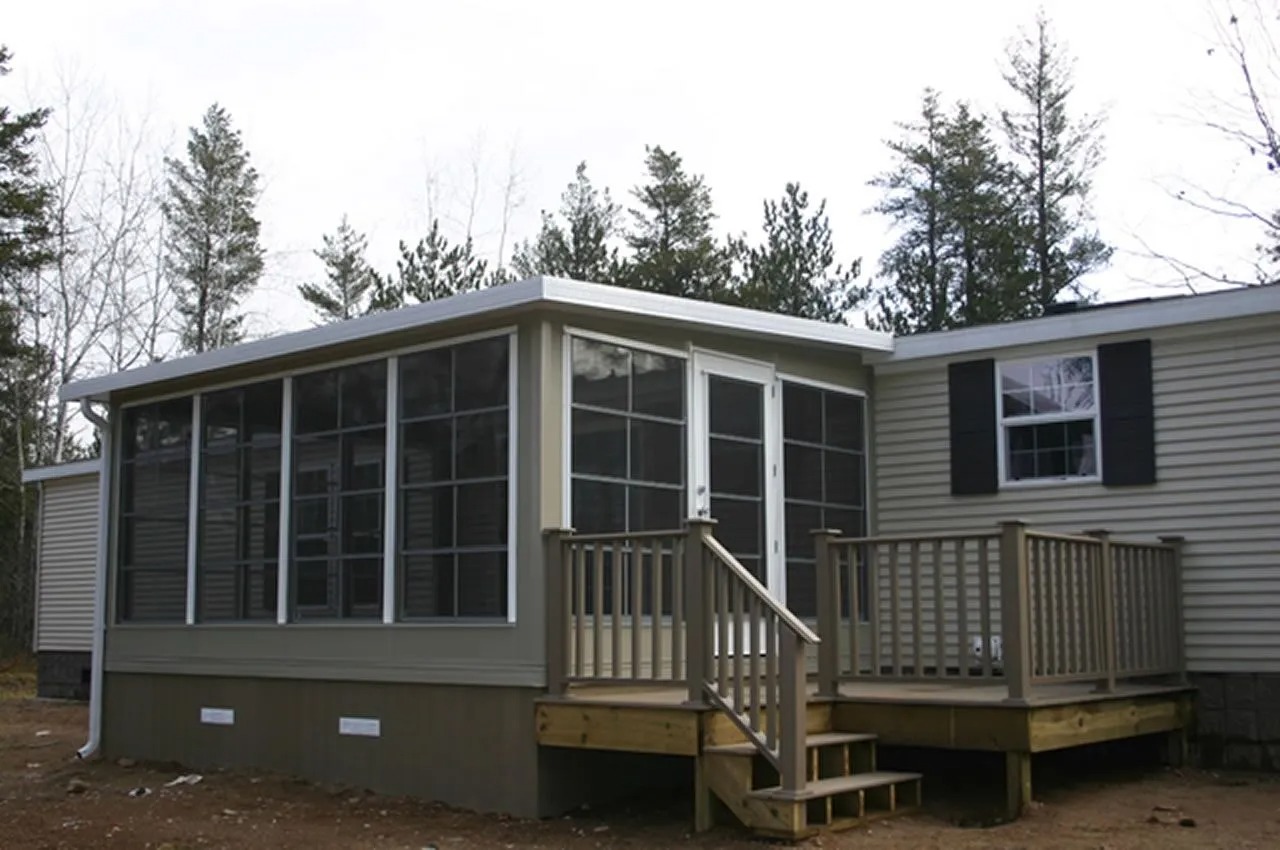
If you’re comparing regional build approaches, it can help to review sunroom services in Connecticut to benchmark standard glazing packages and four-season construction options.
Start With Clear Comfort Targets
Decide how you’ll use the room in January, not just in May. A home office needs steadier comfort than a weekend sitting room.
Set simple targets early.
- Draft control: You shouldn’t feel air movement on windy days.
- Glass clarity: Little to no fogging or water at the edges.
- Stable temperatures: Fewer hot afternoons and cold evenings.
Choose Glass That Performs In Winter
Glass drives comfort more than any finish choice. Better glazing also reduces cold surface temperatures, which helps with condensation.
Understand U Factor, SHGC, And NFRC Labels
U-factor is the primary measure of winter heat loss. A lower U-factor means less heat escapes through the window or door.
SHGC tells you how much solar heat passes through the glass. Higher SHGC can help on sunny winter days, while lower SHGC can limit overheating in shoulder seasons.
Air leakage measures how much air passes through and around a unit under pressure. Lower is tighter, but installation still matters.
NFRC labels matter because they rate the whole unit, including frame effects, not just the center of glass.
For the Northern ENERGY STAR zone, one prescriptive path requires a U-factor of 0.22 or lower and an SHGC of 0.17 or higher.
Double Pane Vs Triple Pane
A high-quality double-pane unit can work well in many New England sunrooms. Triple pane becomes more appealing when you have lots of glass, you want daily winter use, or you’re sensitive to cold radiant surfaces.
Also, ask about warm-edge spacer systems. Condensation often starts at the glass edge, so warmer edges help.
Don’t Ignore Frames, Roof, And Floors
Comfort is an envelope problem. Great windows cannot fix a roof or floor that bleeds heat.
Thermal Break Frames
If your sunroom uses metal framing, look for thermal break construction. It reduces heat transfer through the frame and keeps interior surfaces warmer.
Also, confirm durable weatherstripping and hardware that pulls panels tight. Loose operable sections are a common source of drafts.
Insulated Roof Systems
For cold climates, an insulated roof often beats an all-glass roof for daily use. You’ll usually get better heat retention and fewer condensation issues on chilly nights.
If you want overhead glass, confirm that the glazing package and structural design are meant for real winter conditions, not just looks.
Floor And Foundation Choices
Cold floors make the whole room feel uncomfortable. Typical options include an insulated slab, an insulated framed floor, or an engineered platform built for enclosure.
If you’re sorting through base options, Sunroom Foundation Options in Connecticut is a helpful way to think about how foundation choices affect comfort and long-term performance.
Control Air Leaks And Moisture
Condensation is a top complaint in cold-climate sunrooms. It’s rarely “just the windows.”
Condensation forms when warm, moist indoor air hits a surface cold enough to fall below the indoor dew point.
So your job is twofold. Keep surfaces warmer, and keep indoor humidity under control.
Prioritize these items.
- Tight air sealing at the house connection and roof-to-wall transitions.
- Better glazing and insulated frames to raise interior surface temperatures.
- Planned ventilation to prevent moisture from plants, cooking, and daily life from building up in the building.
Plan Heating, Ventilation, And Summer Control
Heating matters, but it works best with airflow and sun control. That combination keeps the room usable across seasons.
Common heating paths include extending the HVAC where appropriate, adding a ductless mini-split, or using radiant floor heat for comfort. Pick based on room size, insulation level, and how often you use the space.
Also, plan for solar swings. South-facing glass can add welcome winter heat, but it can overheat in spring and fall. Interior shades or exterior shading can smooth out those peaks.
For practical operating tips once the room is built, these Energy-Saving Sunroom Tips for Connecticut Homes align with what many New England homeowners do to stay comfortable without constantly adjusting the thermostat.
Quick Cold Climate Sunroom Checklist
Use this to sanity check a design before you sign.
| Feature | Why It Matters | What To Ask |
| NFRC-rated windows and doors | Let’s compare performance apples-to-apples across brands. | “Can I see the NFRC values for U factor, SHGC, and air leakage?” |
| Low U factor | Reduces winter heat loss through glass. | “What’s the whole unit U factor?” |
| Climate fit SHGC | Balances winter solar gain with shoulder-season overheating. | “Given my orientation, do we want higher or lower SHGC?” |
| Insulated roof option | Improves comfort and reduces cold surface effects. | “Is the roof insulated, and what insulation value is used?” |
| Thermal break framing | Keeps interior frame surfaces warmer and can reduce the risk of condensation. | “Are frames and doors thermally broken?” |
| Designed for local snow loads | Safety and code compliance depend on local snow load conditions. | “What snow load is the roof engineered for?” |
FAQ
Can A Sunroom Be Comfortable In A New England Winter?
Yes, if it’s built as a genuine part of the home’s envelope. Focus on high-performance glazing, insulated roof and floor choices, tight air sealing, and a heating plan that matches the room.
Should I Build A Three-Season Or Four-Season Sunroom?
Three-season rooms are great for spring through fall. For daily winter use, plan on four-season construction with better insulation, tighter windows and doors, and dependable heat.
Why Do Sunroom Windows Fog Or Drip In Winter?
It’s usually indoor humidity meeting cold glass or cold frames. Condensation is tied to dew point and surface temperature, so you need both better thermal performance and humidity control.
Do I Need Engineering For Snow Loads?
Sometimes, yes. Local snow loads and roof spans may require engineered designs, especially in larger rooms or for unique roof shapes.
Next Step: Get A Plan Reviewed
If you’ve got a layout or quote in hand, write down your top three must-haves, such as low-U-factor glass, an insulated roof, and thermal-break framing. Then contact Sunroom Designs New England to review the plan with you and flag comfort risks before you commit.